 New Creative
 Best Sellers
 Shop The Look
 New Room
 Sofas & Seating Systems
 Coffee Tables & Side Tables
 Tables
 Chairs
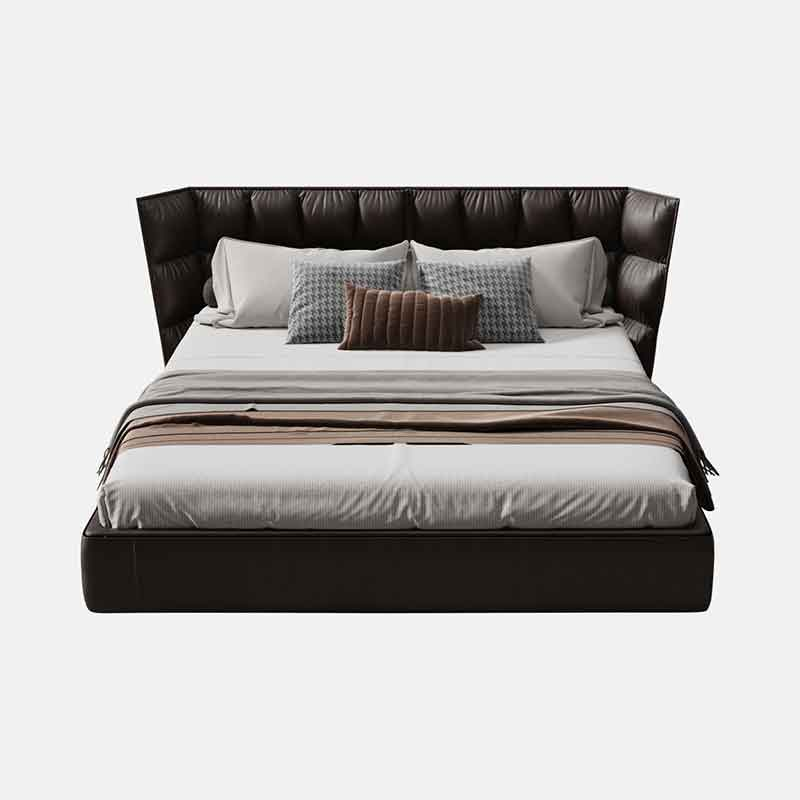 Beds
Beds
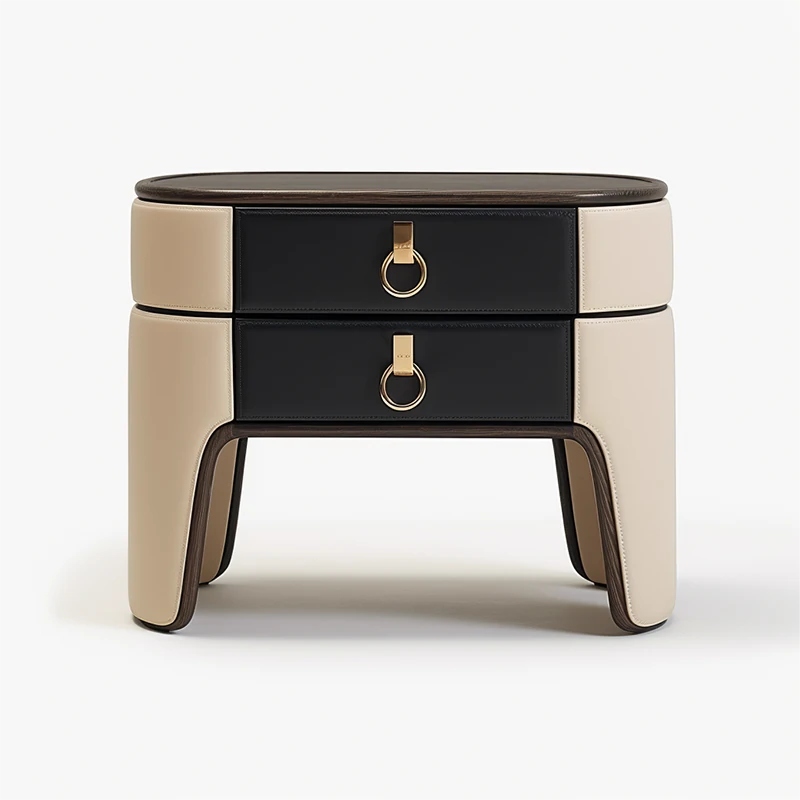 Nightstands & Vanities
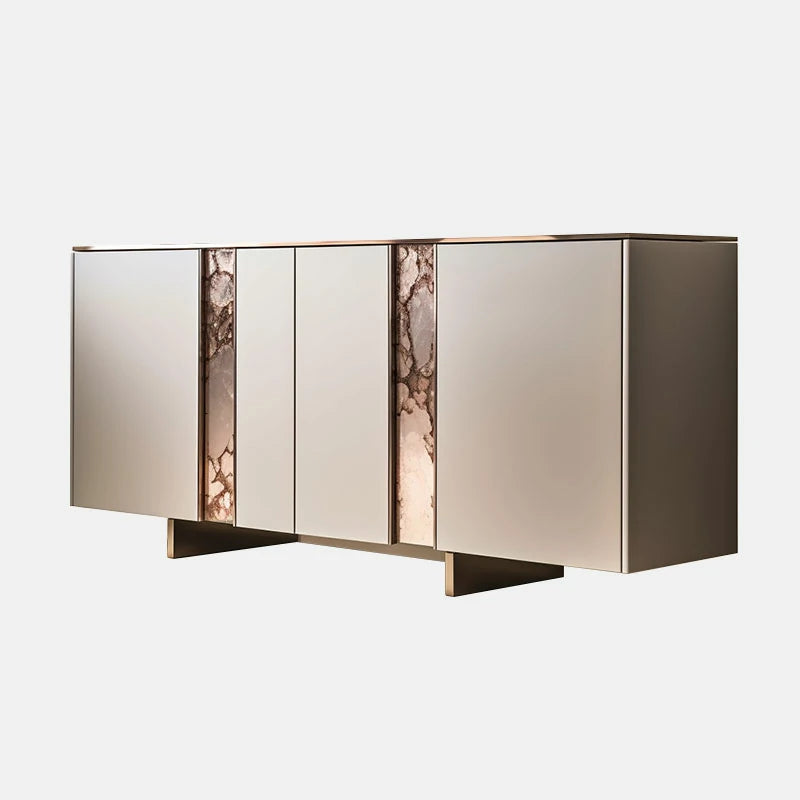 Sideboards & Bookcases
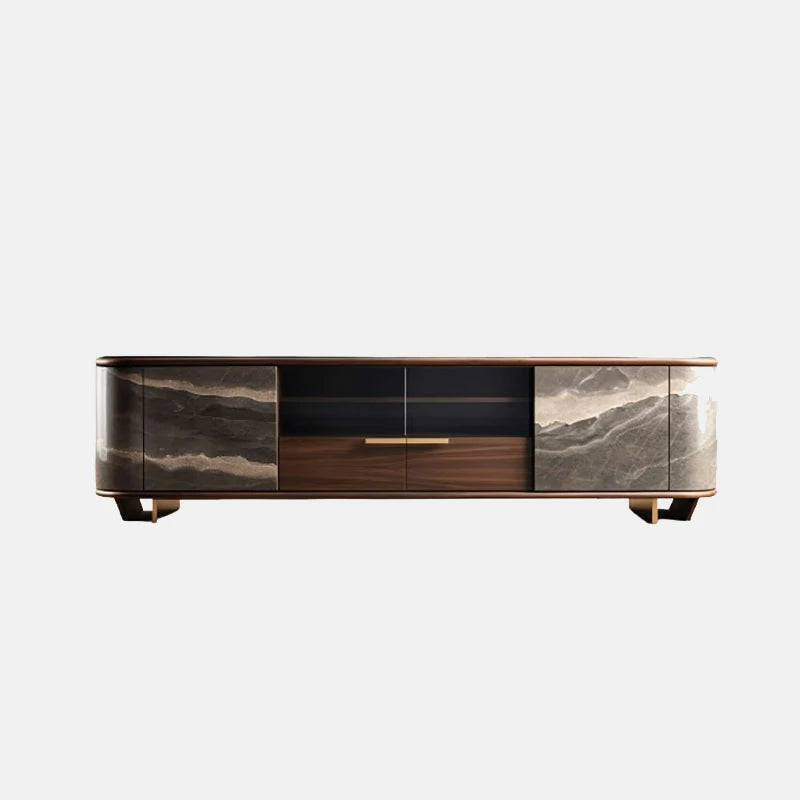 Console
 Living Room
 Dining Room
 Bedroom
 Office



 About Us
 Sustainability
 Above Still Water: A Bed as the Final Place of Return
 A Place to Pause in Motion: How a Sofa Grounds a Growing Space
 Within the Circle: A Round Dining Table for Everyday Life





When Minimalism Finds Warmth: A Sofa That Steadies the Home
Introduction
In minimalist spaces, it’s never “more” that makes a place work.

Restrained colors, clear structure, and generous negative space create a calm, rational look. But what truly determines whether a home feels livable isn’t the design language—it’s whether the furniture can carry the weight of everyday life.

In this black, white, and grey residence, what truly grounds the space isn’t lighting or form, but a sofa that is used again and again—a place people naturally return to.

Living Room | The Sofa as the Emotional Center of Minimalism
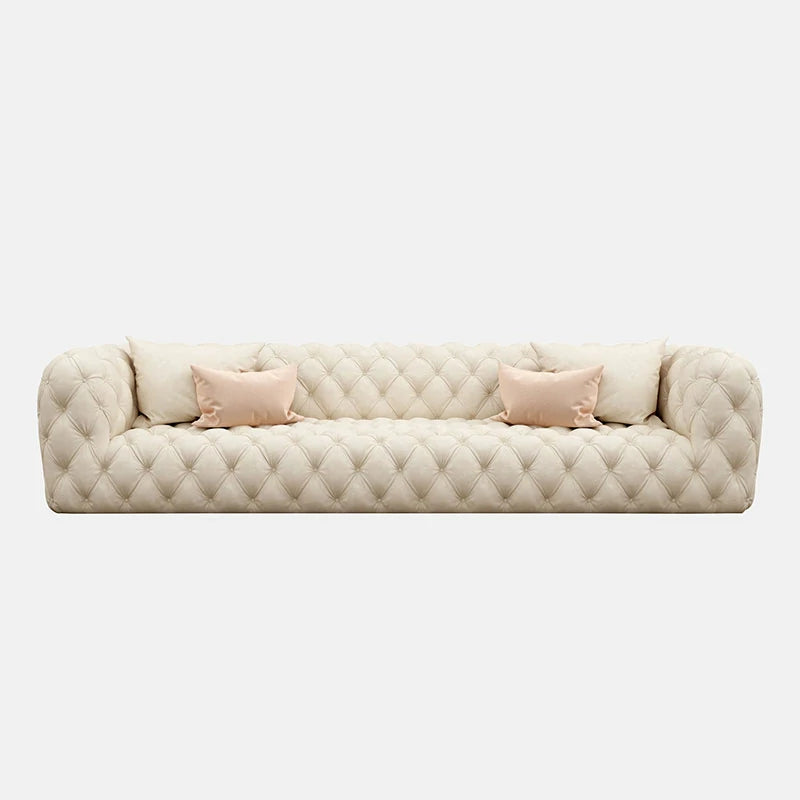
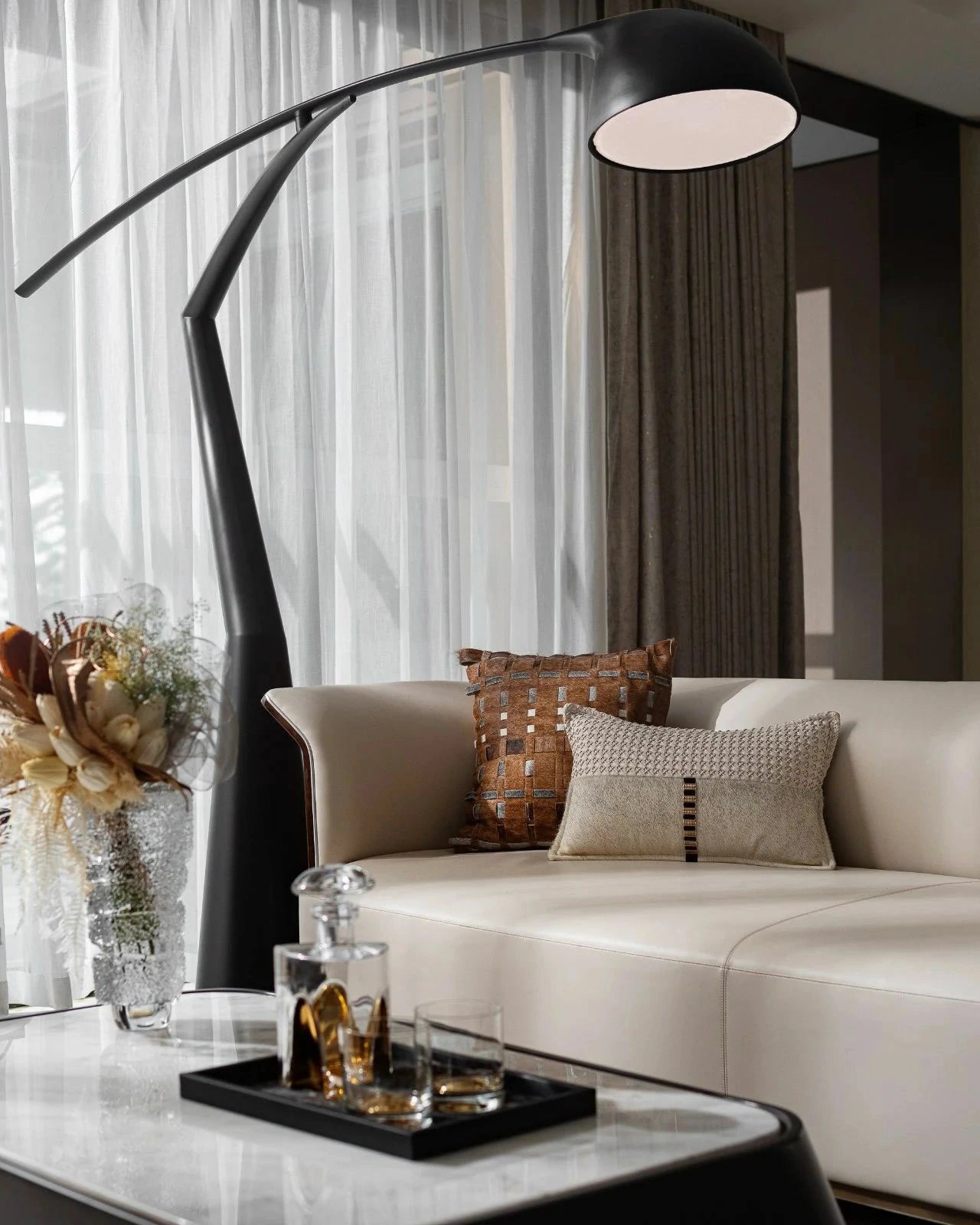
The living room features a low-saturation modular sofa.
Its lines are restrained, with no excess decoration, yet its proportions are precisely judged.

Set low to the ground, it lowers the visual center of gravity, allowing the double-height space to feel calm and unforced.

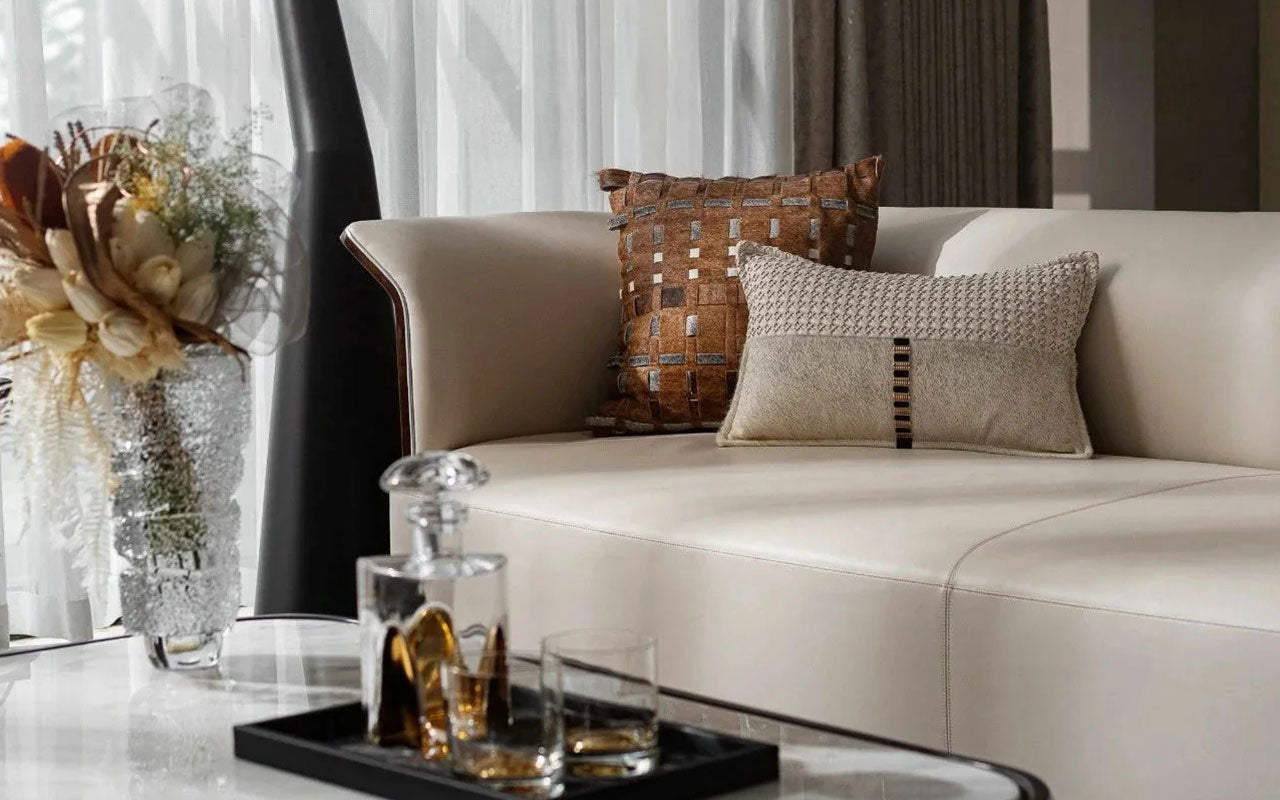
Instead of leather that demands attention, the sofa is upholstered in a matte fabric.
The texture is soft to the touch and gently absorbs light. As sunlight filters through large windows, shadows soften across the surface, and the minimalist space loses any sense of harshness.

This sofa isn’t meant to be looked at—it’s meant to be lived with:
-
everyday relaxation
-
conversations between family members
-
moments of pause when music fills the room
In a rational space, it plays the most emotional role.

Dining Area | Stability Within a Restrained Background
The dining area continues the home’s cool, composed tone.
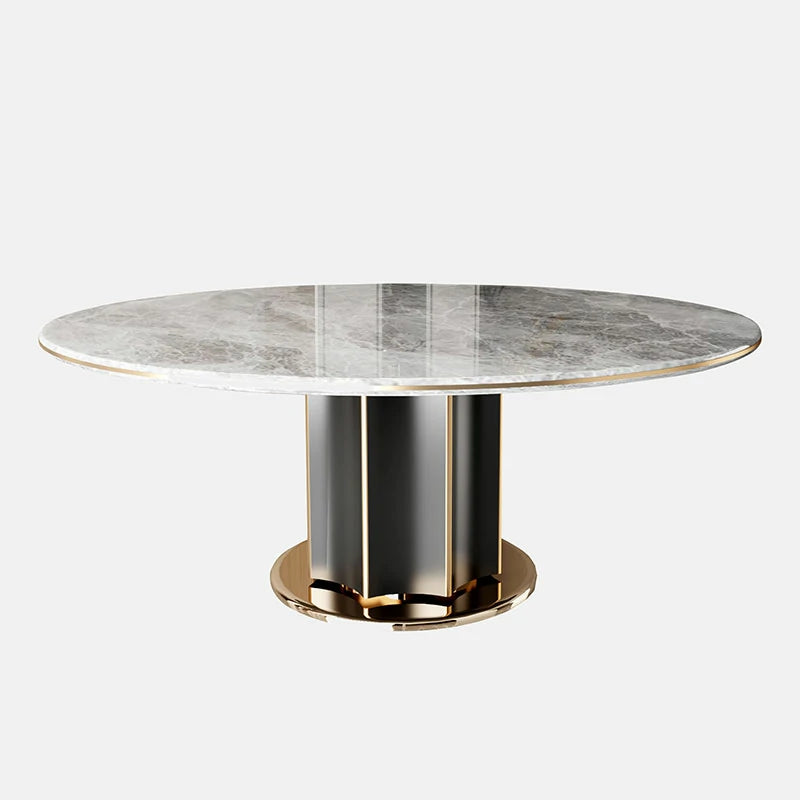
The dining table appears as a clean, solid form, combining stone and dark wood to emphasize durability and order.

Against this backdrop, the sofa becomes the softest presence in the shared space.
Where the dining area focuses on movement and efficiency, the sofa invites stillness.

This contrast clarifies the rhythm of the home:
-
the dining table supports action
-
the sofa supports emotion

Minimalism isn’t a single mood—it’s a balance created through how furniture shares responsibility.

Reception Area | A Shift from Formal to Relaxed
In areas meant for hosting, seating is more functional, prioritizing posture and support.
But the moment one returns to the sofa, the body responds differently.

The seat depth is intentionally generous, allowing shoulders and back to relax.
The cushions are carefully balanced—supportive without feeling rigid, soft without collapsing.

This makes the sofa a transitional piece of furniture:
a shift from social awareness to genuine comfort.
It never demands attention, yet it invites people to stay.

Bedroom | From Shared Comfort to Private Calm
In the primary bedroom, furniture presence is further reduced.
The bed is clean-lined, materials are restrained, and the minimalist logic continues.

This quiet doesn’t feel abrupt, because the shared spaces have already absorbed emotional release through the sofa.
With that work done, the bedroom can simply return to rest.

Seen this way, the sofa doesn’t just serve the living room—it stabilizes the emotional structure of the entire home.

Conclusion | A Good Sofa Is the Foundation of Minimalist Living
In highly restrained spaces, furniture must be precise.
This sofa has no dramatic form and no strong visual symbols, yet through proportion, material, and comfort, it becomes irreplaceable.

It turns minimalism from something that only looks good into something that can be used, relied on, and returned to again and again.

When a home is willing to place its emotions on a sofa,
that’s when design is truly complete.
Design Team | NingKe Design
If you believe this content infringes your rights, please contact us for removal.