 New Creative
 Best Sellers
 Shop The Look
 New Room
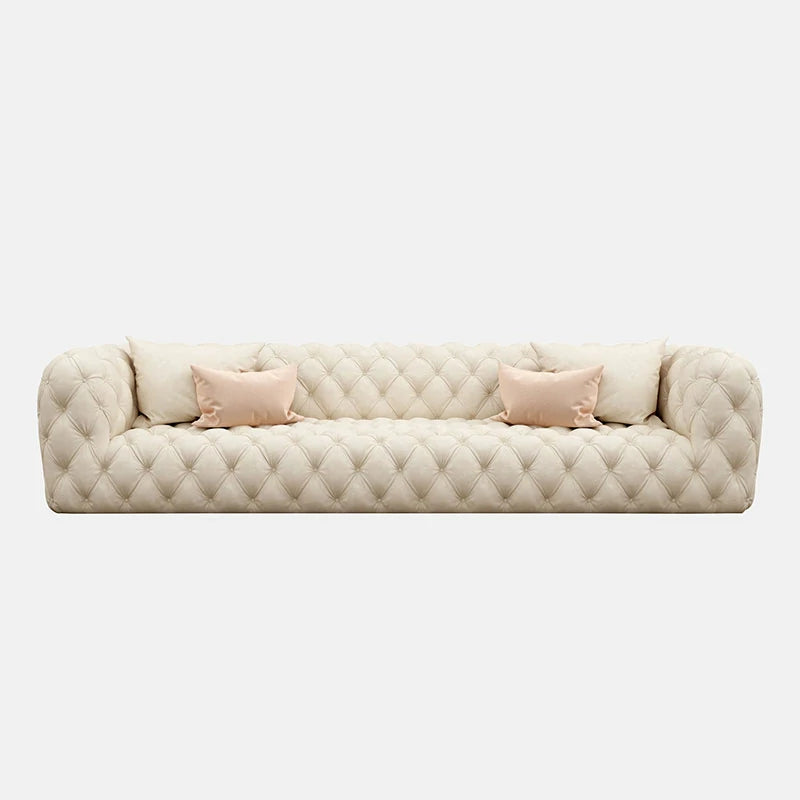 Sofas & Seating Systems
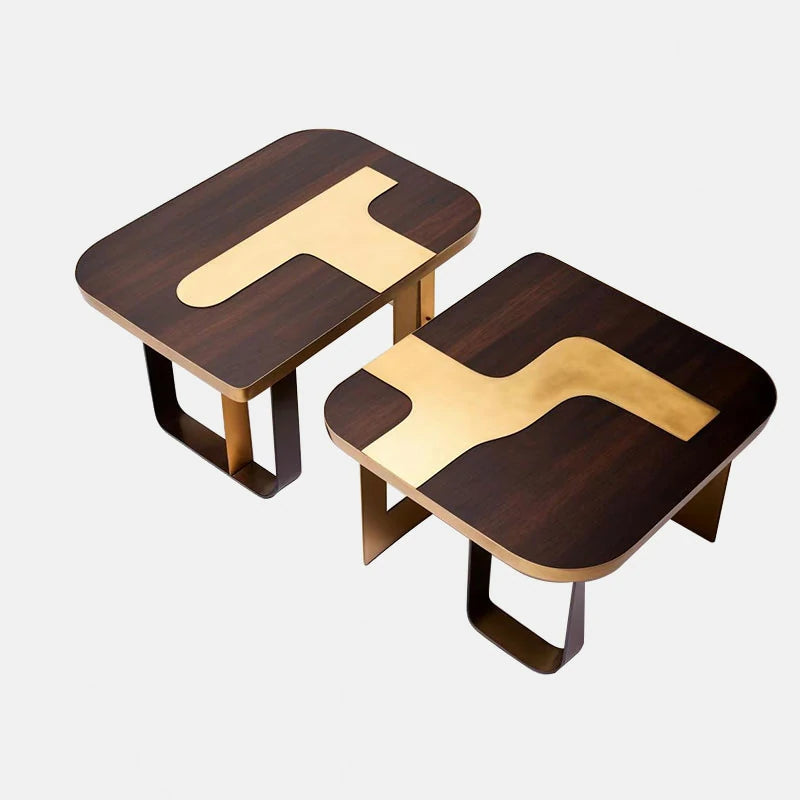 Coffee Tables & Side Tables
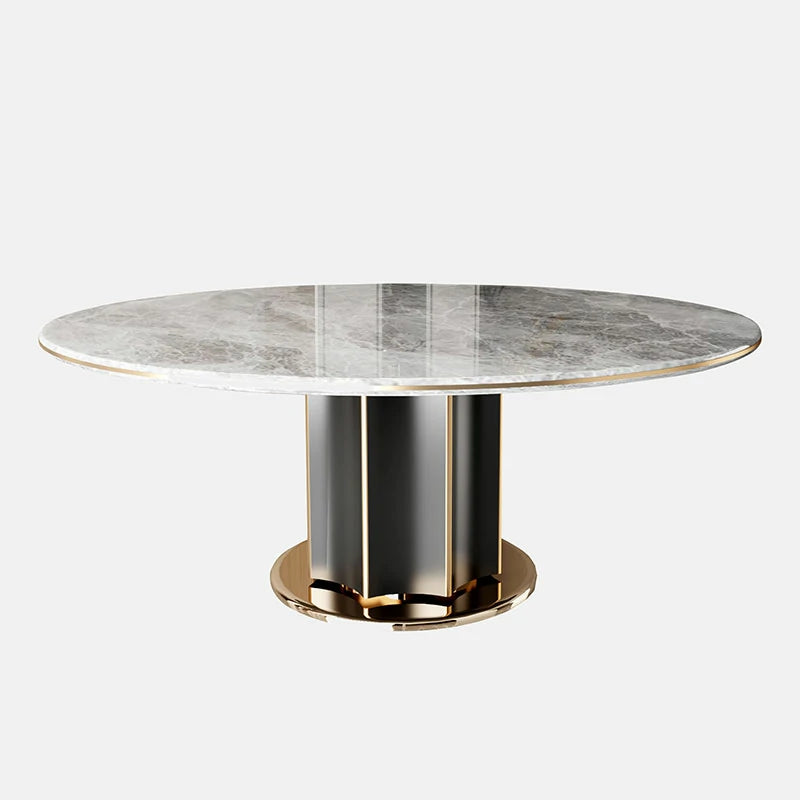 Tables
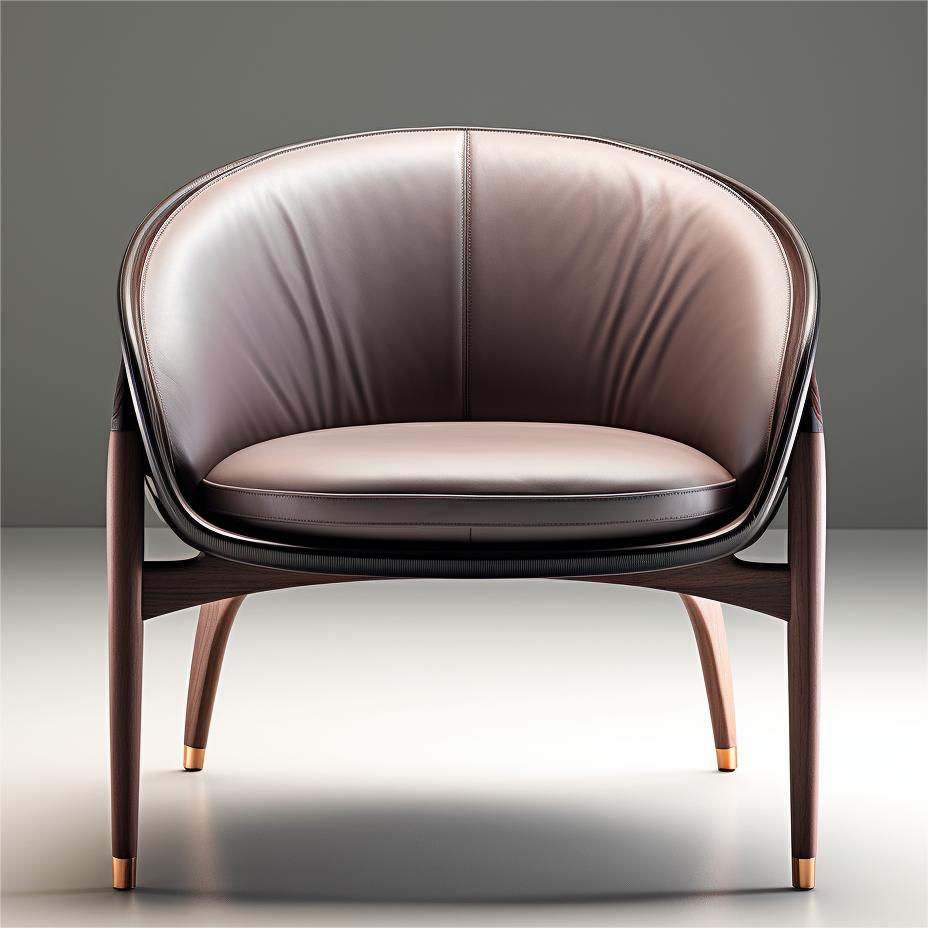 Chairs
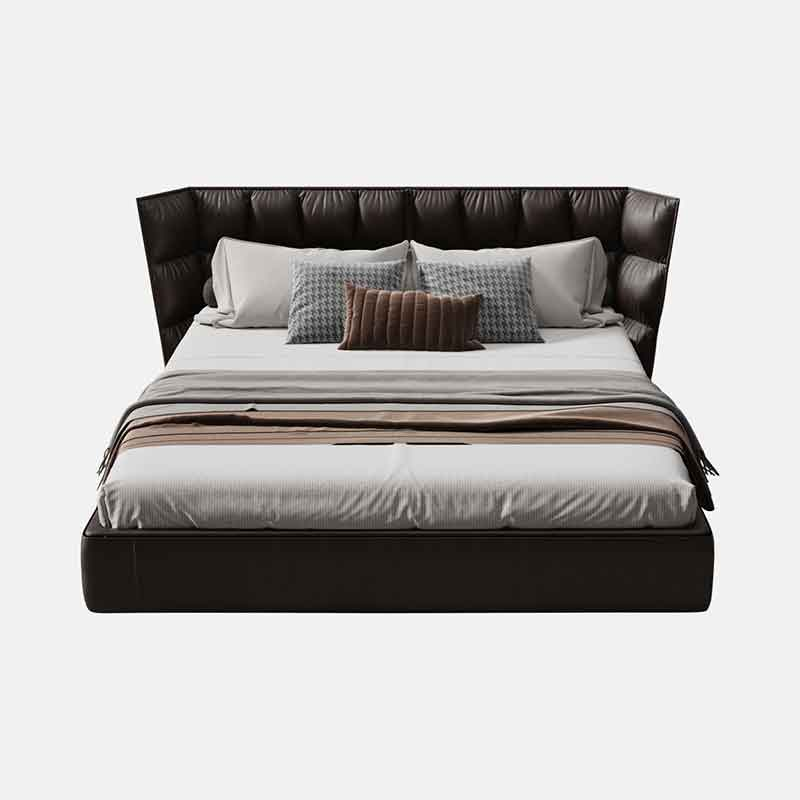 Beds
Beds
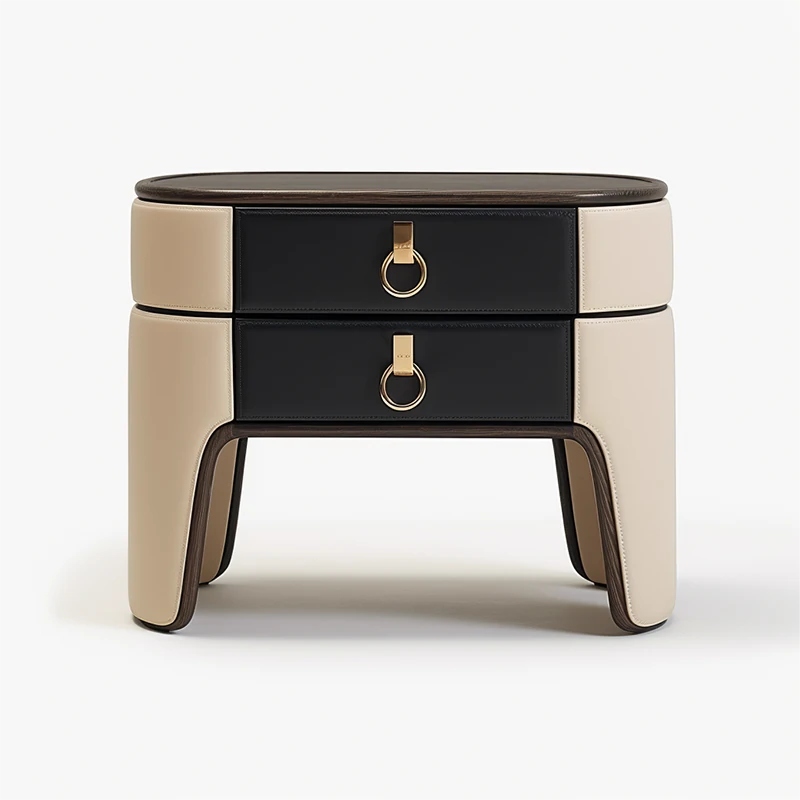 Nightstands & Vanities
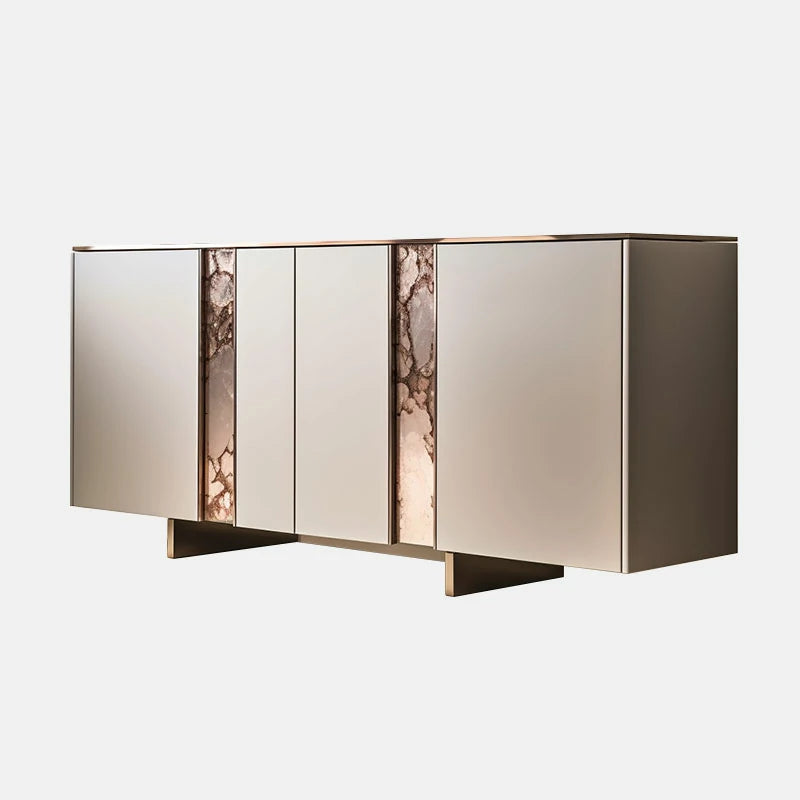 Sideboards & Bookcases
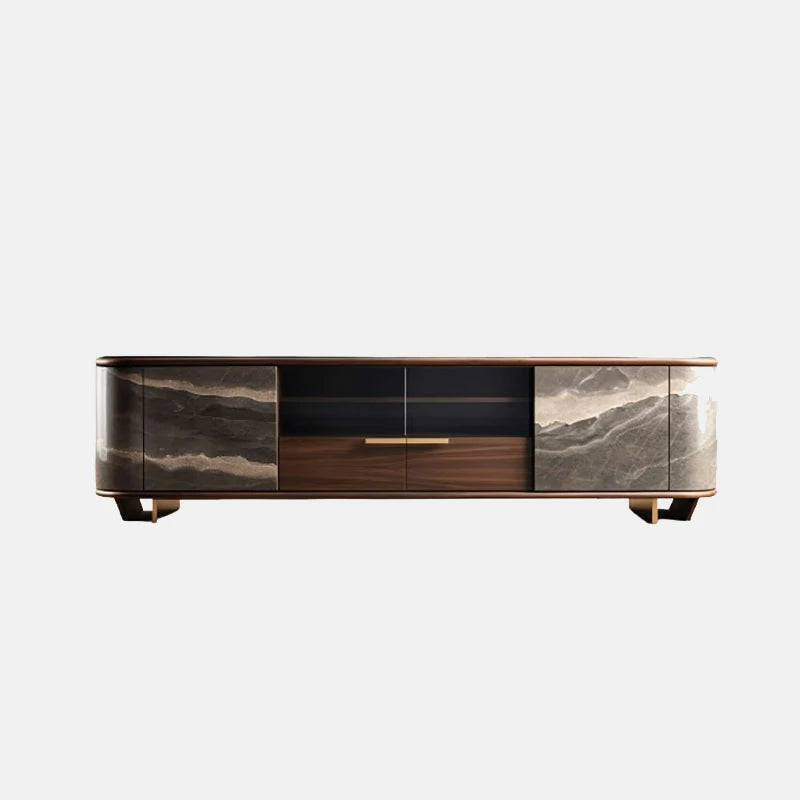 Console
 Living Room
 Dining Room
 Bedroom
 Office



 About Us
 Sustainability
 Above Still Water: A Bed as the Final Place of Return
 A Place to Pause in Motion: How a Sofa Grounds a Growing Space
 Within the Circle: A Round Dining Table for Everyday Life





When Space Is No Longer Defined by Occasion
How a Sofa Softens the Line Between Living and Business

Introduction
In this top-floor space of a hotel in Yixing, “living” and “use” are not opposing ideas.
The space must support the order of business meetings and social gatherings, while also accommodating moments of solitude, relaxation, and escape from everyday routines.

Rather than defining the interior through rigid functional zones, the design allows the space to shift freely between different states through structure, materials, and furniture.

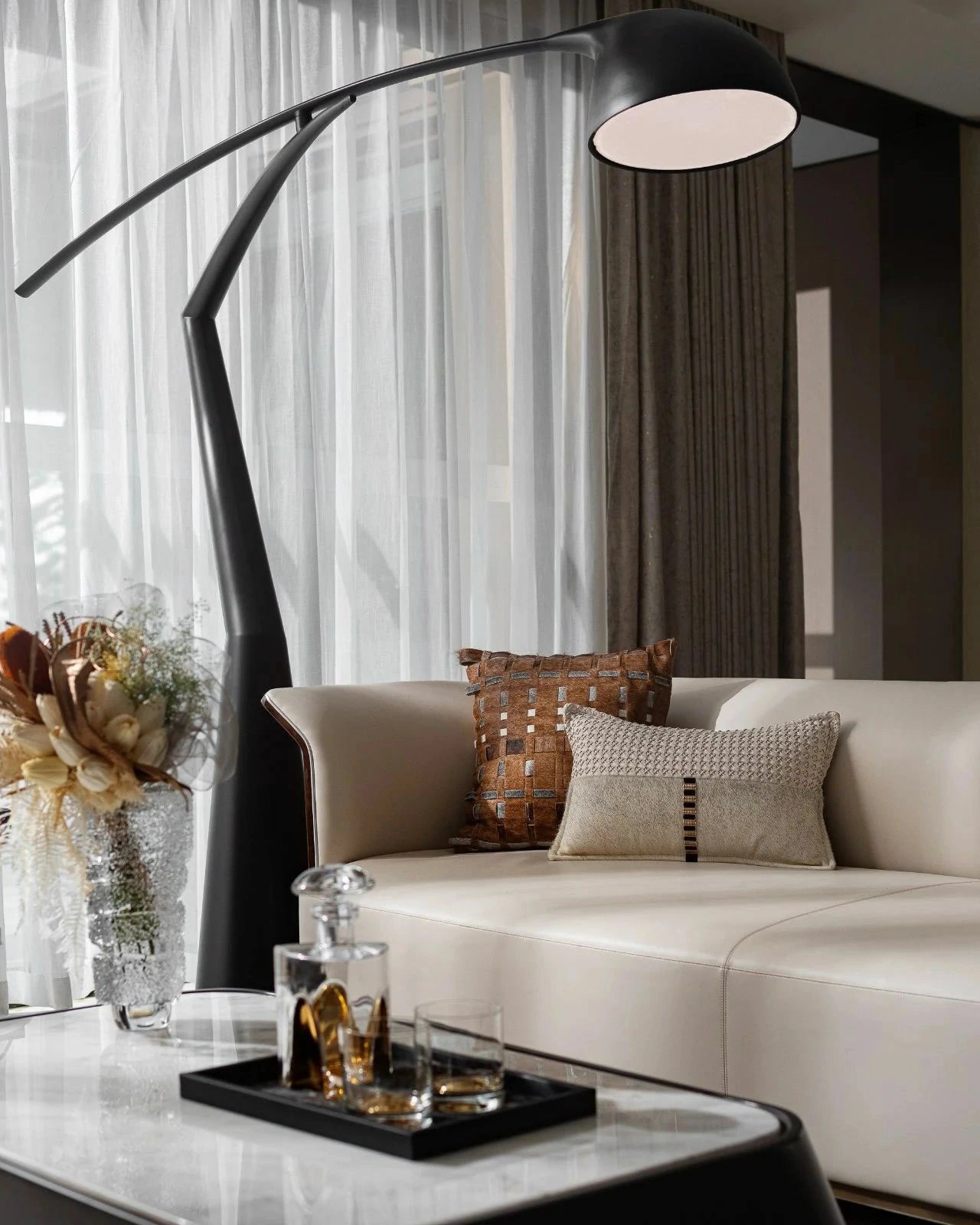
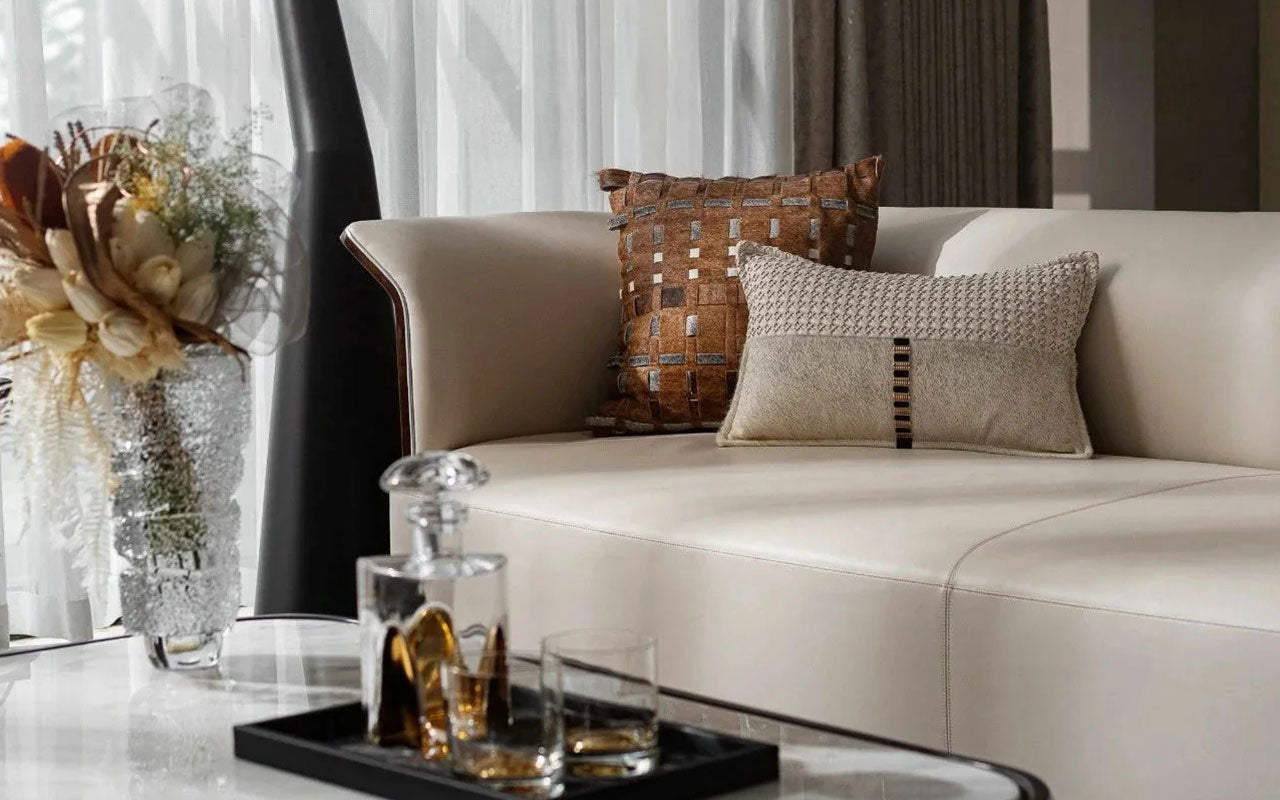
Among these elements, the sofa becomes the most important emotional regulator—neither entirely commercial nor purely residential, but moving fluidly between the two.

Living Room
The living room is not a traditional family lounge, but a shared field that can change roles at any moment.

By preserving the original roof structure, the sloped ceiling introduces a vertical sense of openness, allowing the space to breathe upward. Beams and angled surfaces are not concealed; instead, they are embraced as part of the spatial order.

Within this architectural framework, the sofa appears low and expansive, intentionally reducing the psychological height of the space.

Upholstered in earth-toned fabric with a soft, velvety touch—yet not overly plush—the sofa supports long conversations without encouraging complete collapse. This sense of “just enough” comfort creates an ideal balance between professionalism and privacy.

When the space calls for seriousness, the sofa feels composed.
When the setting shifts to a gathering, its boundaries loosen effortlessly.

Dining Area
The dining area is not enclosed by walls or doors, but gently separated from the living room through changes in material and level.

A round dining table establishes a sense of order suitable for formal occasions, while the sofa remains present within the visual field and circulation, acting as a spatial buffer.

With only a few steps from table to sofa, the atmosphere transforms quietly—discussion continues, but posture softens, moving from upright formality to relaxed ease.

Here, the sofa is not a supporting element, but a key medium that allows the dining space to transition naturally from business mode into everyday life.

Reception Area
If the space has an invisible gravitational center, it is undoubtedly linked to the sofa.
The area defined by the rotating door does not rely on heightened privacy, but instead uses the sofa’s arrangement to regulate distance and interaction.

Modular configurations allow it to form semi-enclosed settings for conversation, or to be dispersed and reassembled during social gatherings.

The sofa no longer faces a single focal point.
Instead, it becomes a container for relationships—once someone sits down, the nature of the space shifts with them.

Bedroom
The bedroom is positioned deeper within the layout, serving as a true retreat from social engagement.

Compared to the public areas, the furniture here is more restrained. Yet the emotional rhythm established by the sofa in the shared spaces has already eased the transition. By the time one rises from the sofa and enters the bedroom, both body and mind have begun to unwind.

In this sense, the sofa’s role extends beyond function—it becomes a gradual exit from the outside world.

Conclusion
This project does not attempt to define what is “residential” and what is “commercial.”
Instead, it responds to the complexity of real life through space itself.
Among all design elements, the sofa is the most honest.

It confronts the body directly—and in doing so, reveals the true attitude of the space.
When a sofa can support the rationality of business meetings as well as the ease of solitude, boundaries no longer need to be broken.

They quietly dissolve through the simple acts of sitting and staying.
Design Team | TEN DESIGN
If you believe this content infringes your rights, please contact us for removal.