 New Creative
 Best Sellers
 Shop The Look
 New Room
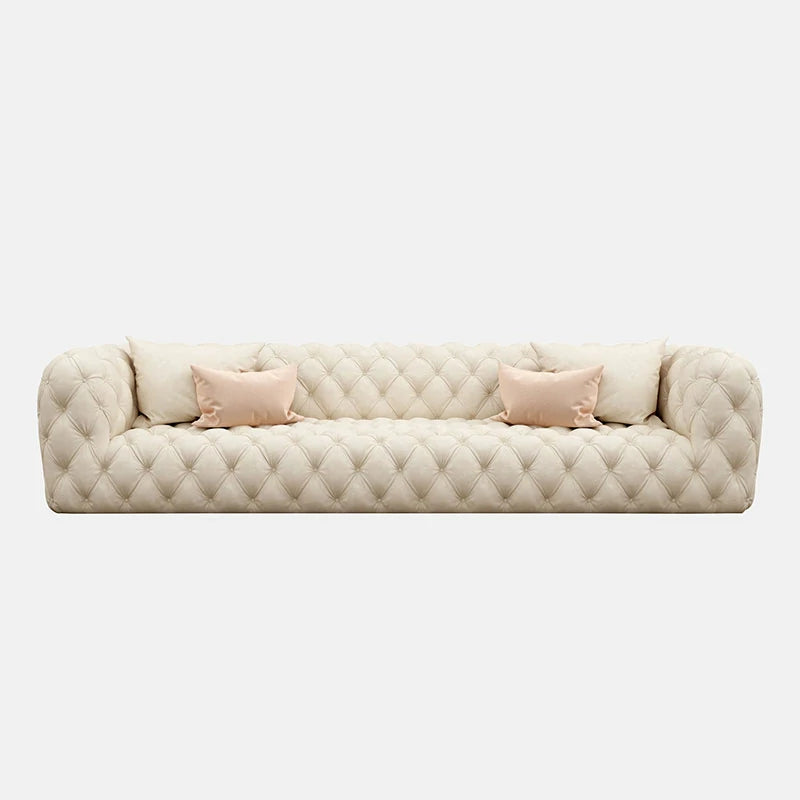 Sofas & Seating Systems
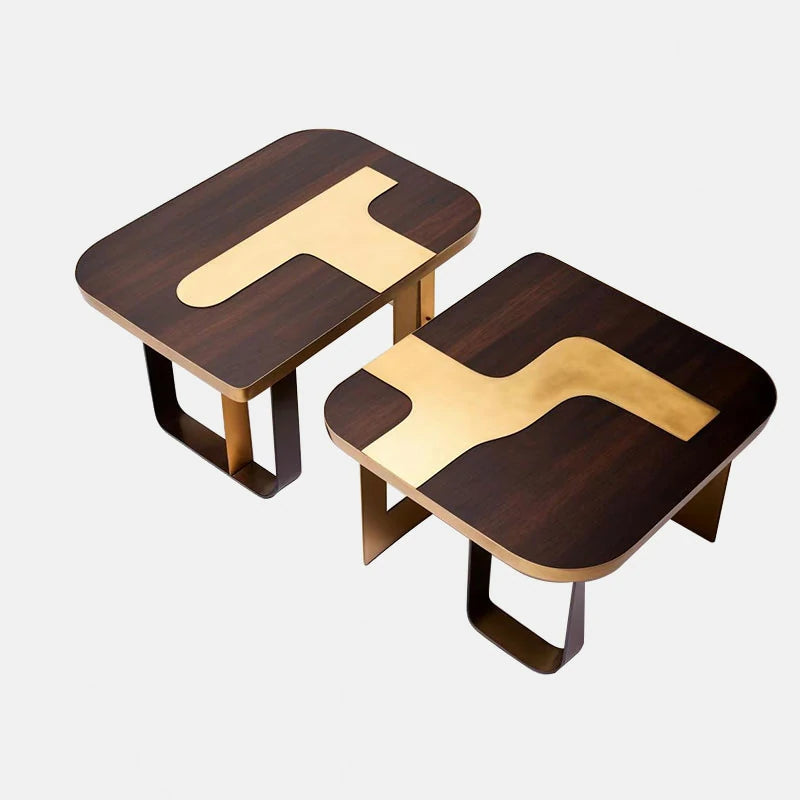 Coffee Tables & Side Tables
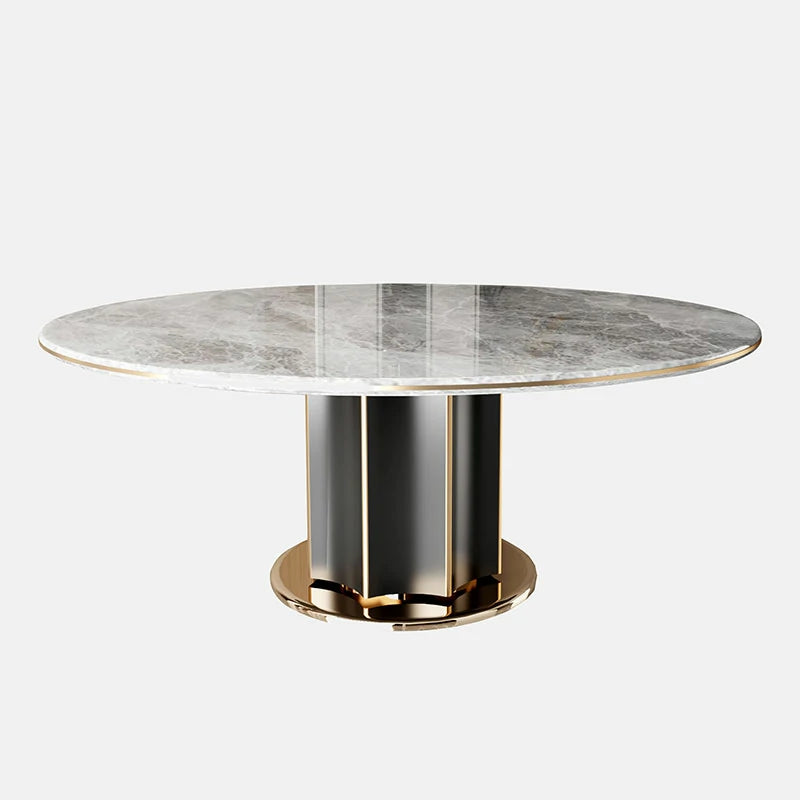 Tables
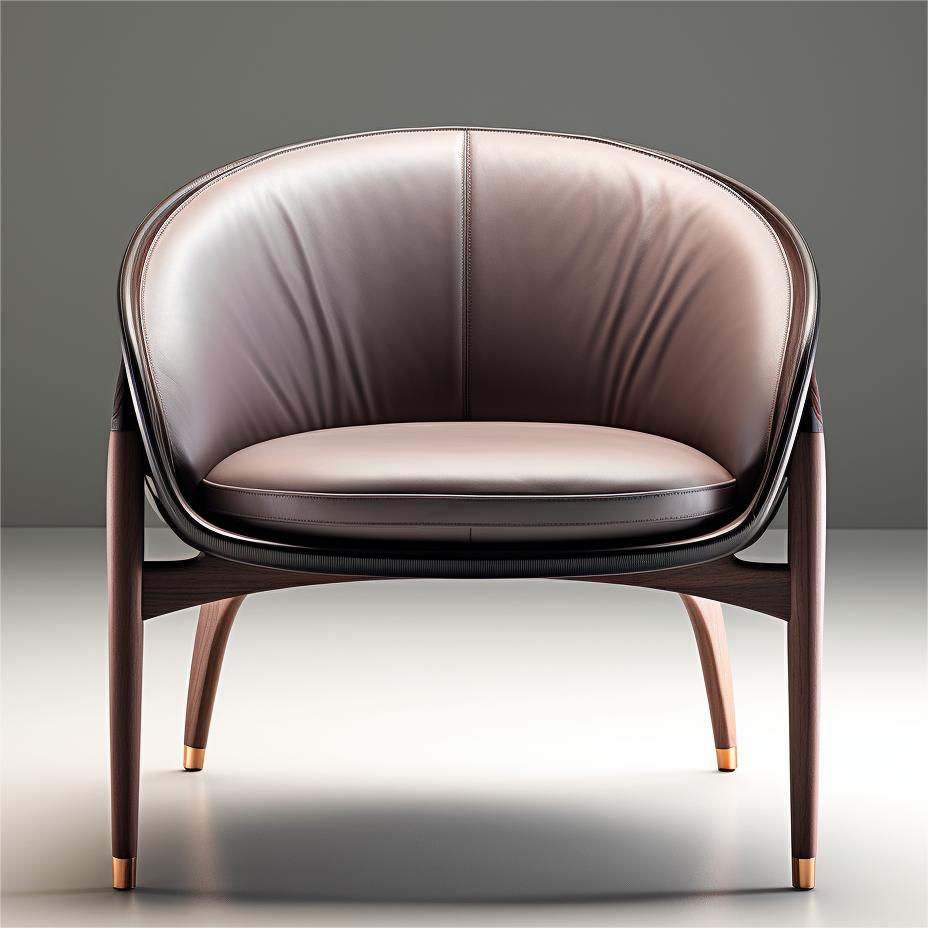 Chairs
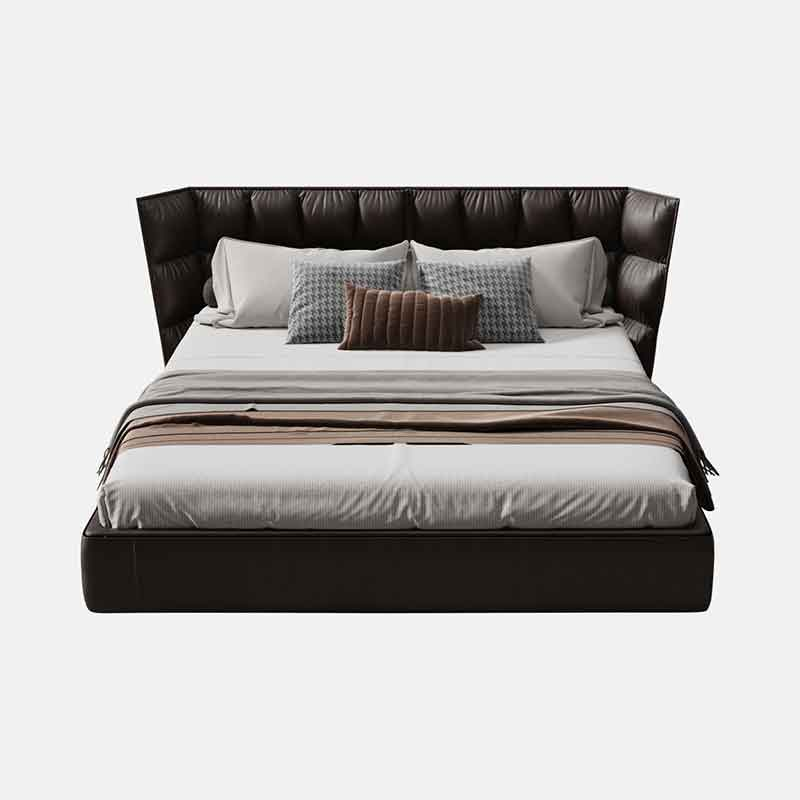 Beds
Beds
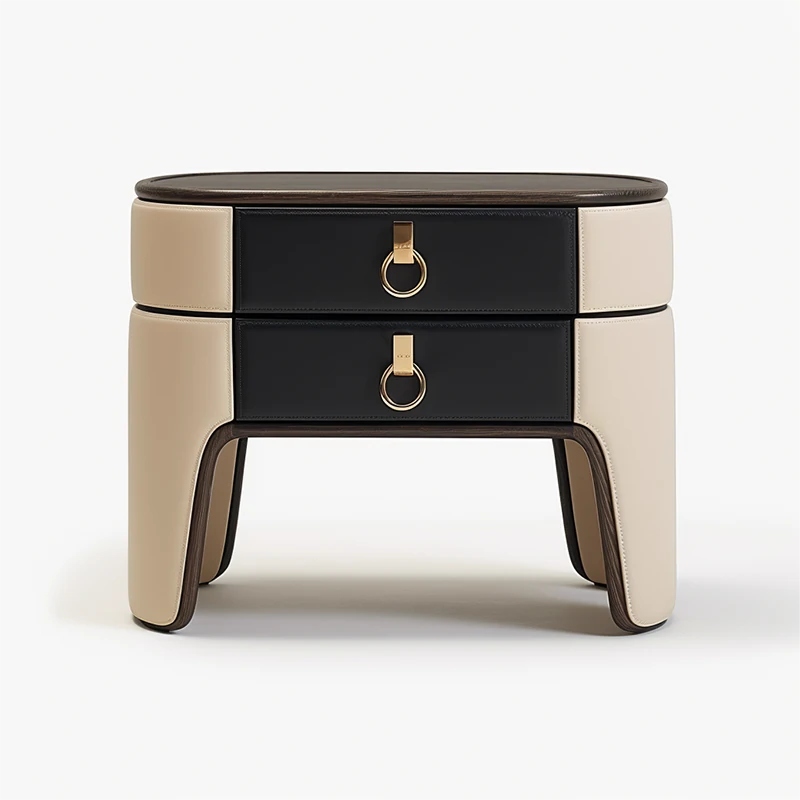 Nightstands & Vanities
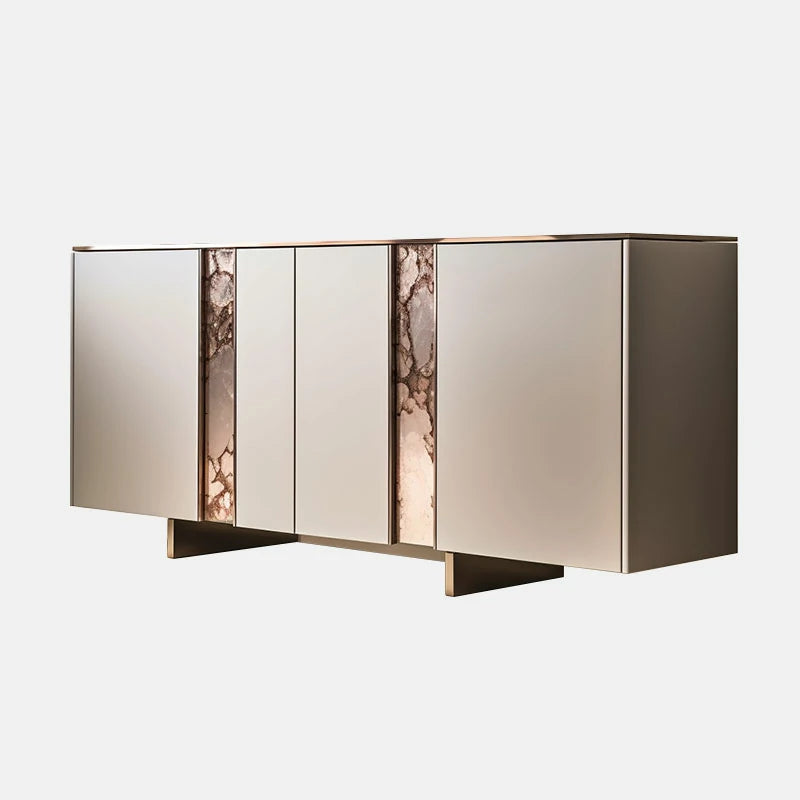 Sideboards & Bookcases
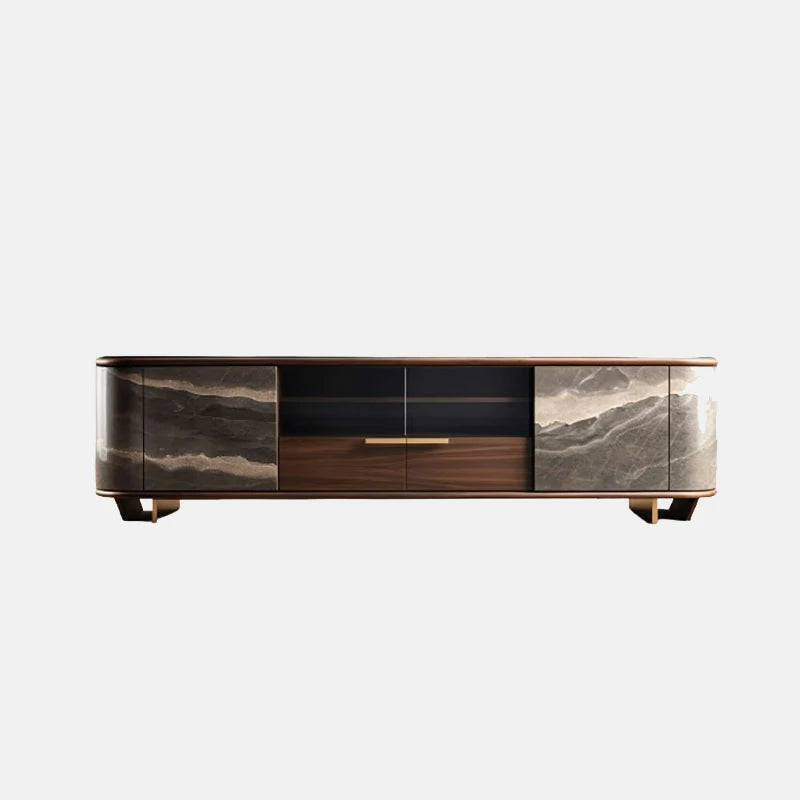 Console
 Living Room
 Dining Room
 Bedroom
 Office


 About Us
 Sustainability
 Above Still Water: A Bed as the Final Place of Return
 A Place to Pause in Motion: How a Sofa Grounds a Growing Space
 Within the Circle: A Round Dining Table for Everyday Life





Above the Skyline, How a Dining Table Grounds Everyday Life
Introduction
When living rises high above the city, the view expands and time seems to slow.

Outside the window, the city moves endlessly; inside, there needs to be a quiet center—
a place strong enough to hold the weight of daily life.
In this residence overlooking the Shanghai skyline, order is not created through rigid zoning.

Instead, flow, continuity, and light shape a rhythm of living that can be felt rather than defined.
And what allows this rhythm to settle is the dining table placed at the very heart of the space.

Living Room | Making Space for Flow
The living room avoids a traditional “centerpiece” of furniture.
Instead, it gives way to light and sightlines, allowing them to move freely through the space.

The curved ceiling unfolds in layers, like a slow, deep breath, guiding the eye toward the city and water beyond the windows.
Within such an open structure, furniture no longer takes the lead.

Each piece is carefully positioned along the edges, leaving room for moments of pause—
pauses that ultimately draw people toward the dining table.

Dining Area | The Dining Table as the Anchor
The dining area is not enclosed but naturally embedded within the flowing public space.
The dining table stands with a presence that is gentle yet grounded:

rounded edges soften its volume, while a stable base visually anchors the entire room.
Material choices are deliberately restrained.

The tabletop carries a subtle sheen that reflects daylight without competing with it.
Its warm, tactile surface brings emotional softness into an otherwise rational structure.
This table is not only for meals.

It is the first place to stop as the city wakes in the morning,
and the emotional center once the lights come on at night.
In a highly fluid space, it gives everyday life a place to return to.

Reception Area | A Social Radius Formed Around the Table
Here, hosting is not confined to a single zone.
Occasional chairs, lounge seating, and art pieces naturally orbit the dining table,
forming a social radius that feels open yet ordered.

The table occupies a space between public and private:
-
More composed than a sofa
-
More relaxed than a conference table

It allows conversation to flow without ceremony, while maintaining a sense of balance and respect.
As light shifts throughout the day, the dining table becomes both the most rational element in the space and the most inclusive.

Bedroom | An Order That Extends from the Table
Stepping into the primary bedroom, the mood clearly softens.
Colors are muted, materials return to purity, and light becomes the sole storyteller.

This restraint does not exist in isolation.
It grows from the sense of order already established by the dining table in the shared spaces.

When daily exchanges, pauses, and moments of togetherness are held there,
the bedroom can simply be a place for rest.
This progression from public to private completes the emotional loop of the home.

Conclusion | One Table Shapes the Way Life Unfolds
In a space defined by openness, movement, and artistic expression,
furniture is not meant to perform—it is meant to stabilize.

Without overtly asserting a design language, this dining table becomes irreplaceable through proportion, material, and placement.

It turns the skyline into more than a view, and light into more than a visual effect—
both become active participants in daily life.

When space is free to flow, yet life always has a place to pause,
this may be the most ideal state of contemporary living.
Design Team | OTL Design
If you believe this content infringes your rights, please contact us for removal.