 New Creative
 Best Sellers
 Shop The Look
 New Room
 Sofas & Seating Systems
 Coffee Tables & Side Tables
 Tables
 Chairs
 Beds
Beds
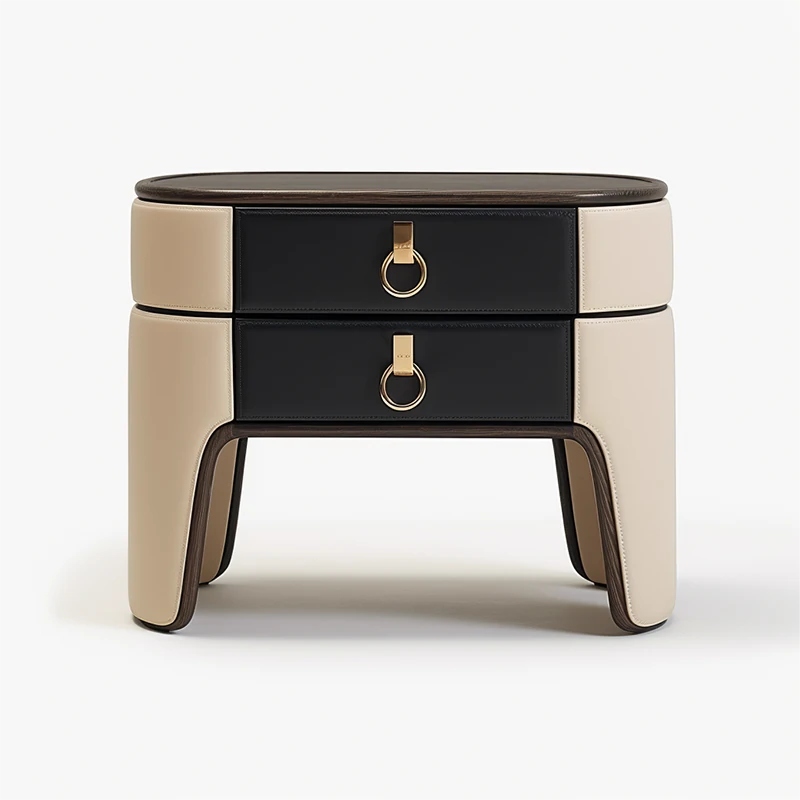 Nightstands & Vanities
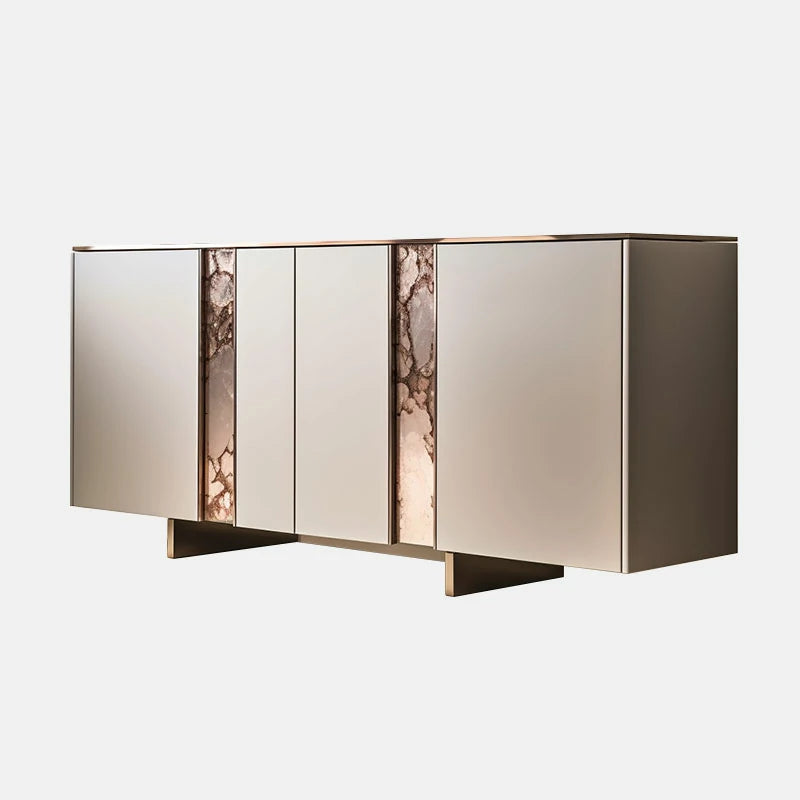 Sideboards & Bookcases
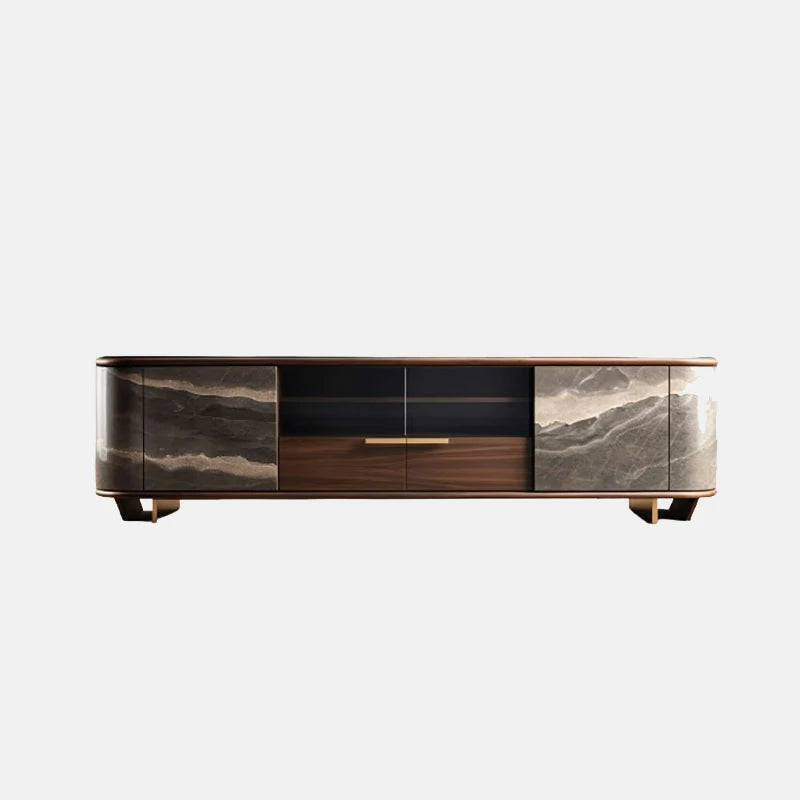 Console
 Living Room
 Dining Room
 Bedroom
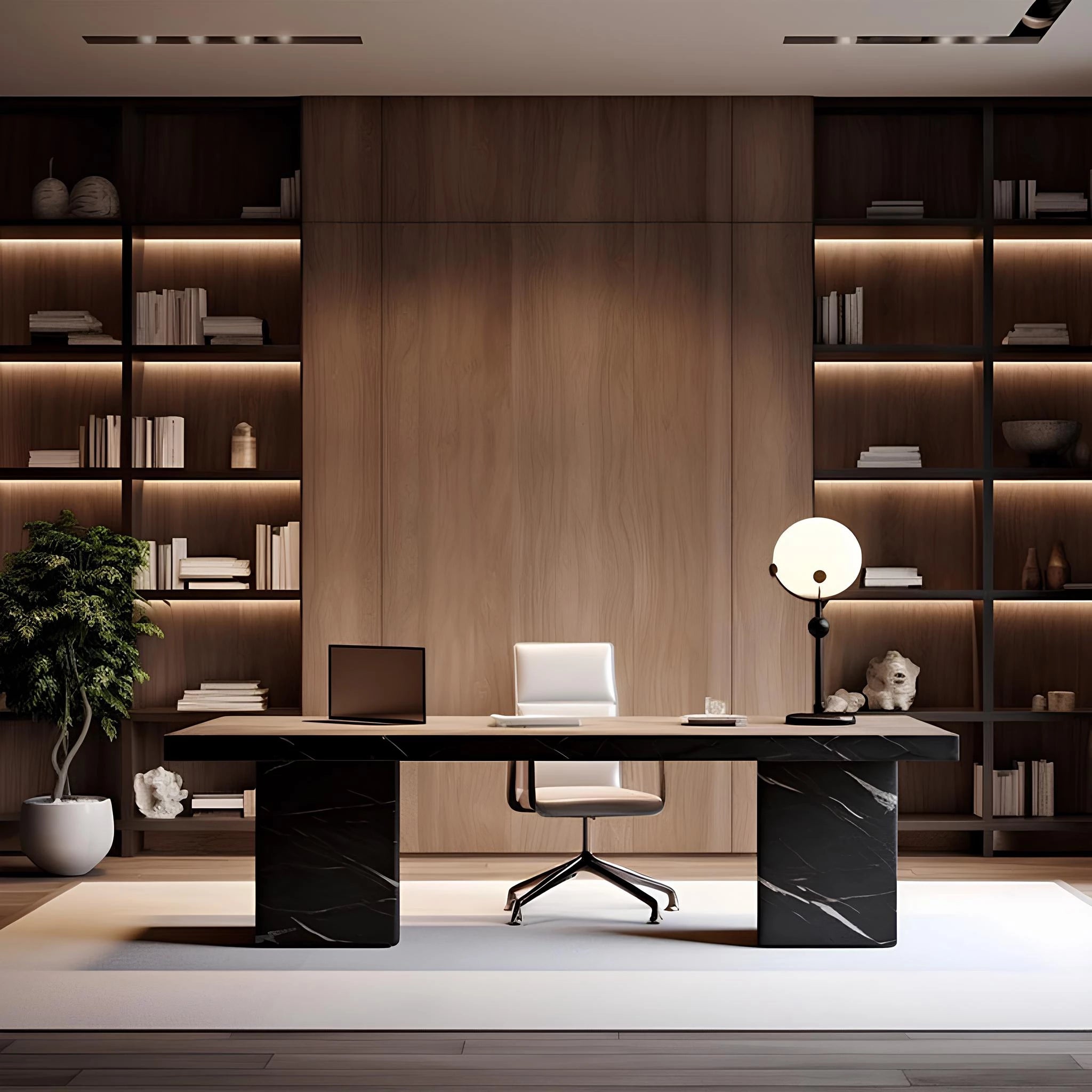 Office



 About Us
 Sustainability
 Above Still Water: A Bed as the Final Place of Return
 A Place to Pause in Motion: How a Sofa Grounds a Growing Space
 Within the Circle: A Round Dining Table for Everyday Life





One Sofa, Holding Three Generations of Everyday Life
Introduction
Renovating an old family house for parents is never just a makeover.

It’s a quiet re-editing of time, memories, and relationships— so the elders feel at ease, the children come home more often, and the house once again becomes a place people want to stay.

In this semi-detached villa in Wenzhou, Zhejiang, the layout was opened up, light was reintroduced, and life truly settled in around one thing:

the calm, always-in-use sofa in the living room.
It doesn’t seek attention, yet it carries the weight of daily family life.

Living Room | The Sofa as the Center of Family Life
The first floor was reshaped into a fully open public space, with the living room at its heart.

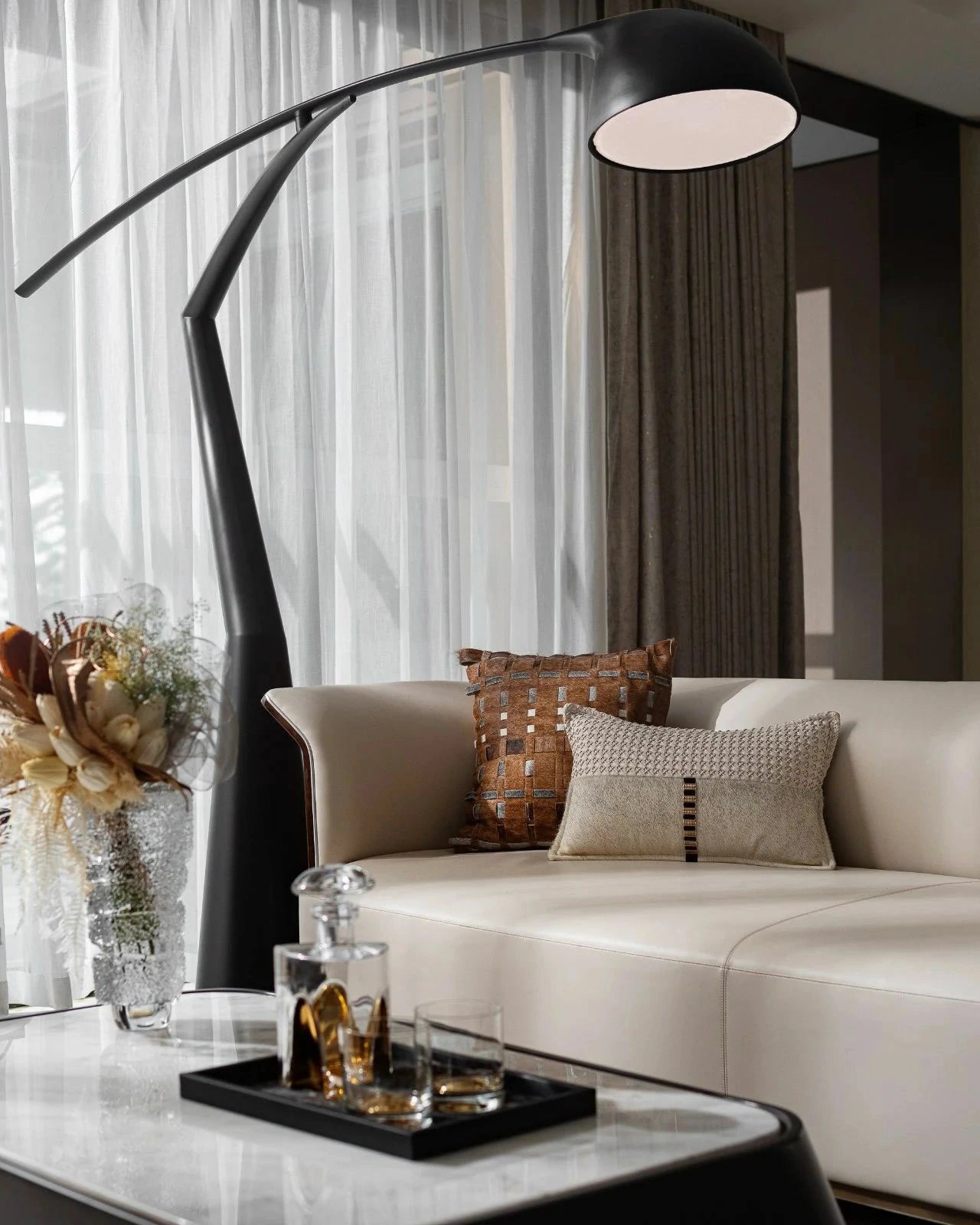
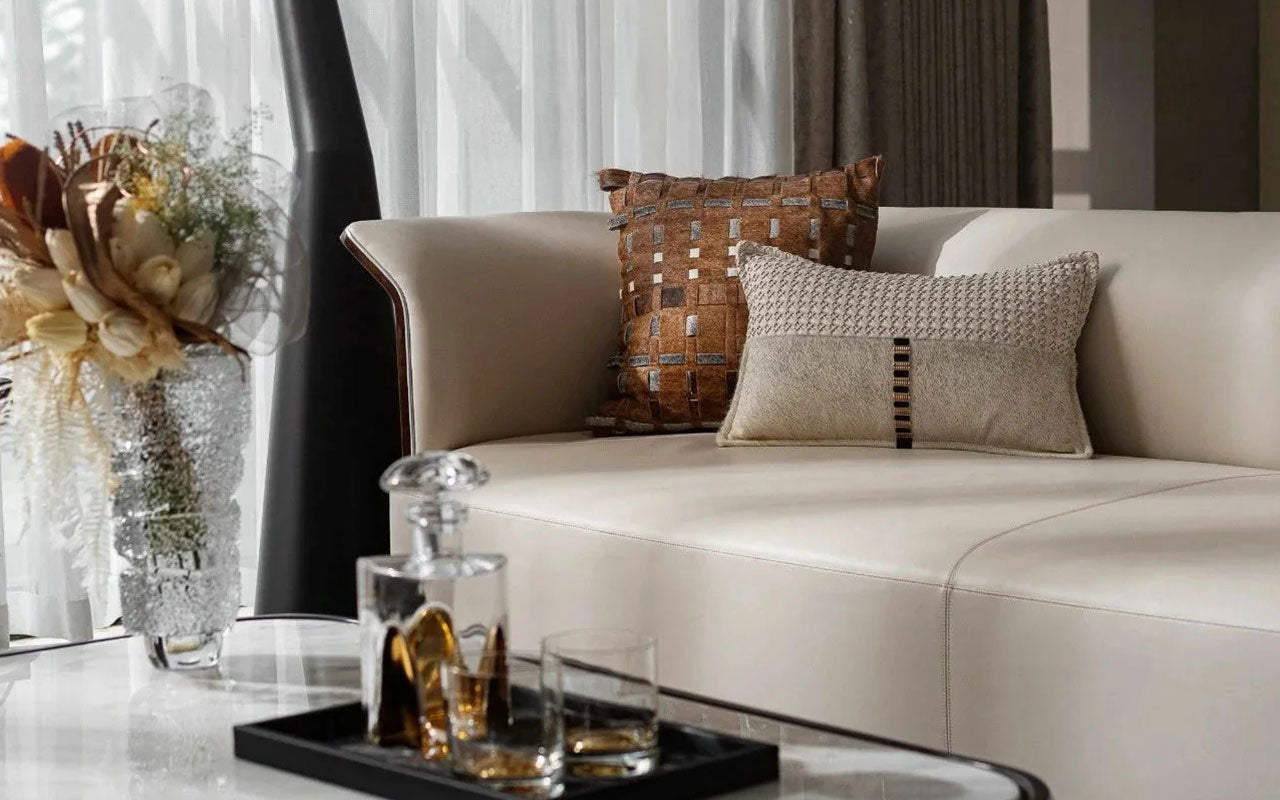
The sofa is arranged to feel enclosing but never closed off, forming a natural “family magnet.”

It’s a low-back, deep-seat, modular sofa:
-
A friendly seat height that makes it easy for parents to stand up
-
A generous depth where kids can sit cross-legged or lie down freely
-
Flexible modules that adapt to different group sizes

Rather than becoming a visual focal point, the sofa brings calm through proportion and balance.

Sunlight enters from the courtyard, drifting down through the double-height space.
The sofa absorbs the light, softening the atmosphere of the entire room.

Here, the sofa isn’t just for sitting—it’s where family members pause and move closer to one another.

Dining Area | Extending the Rhythm Beyond the Sofa
The warmth of the kitchen and dining area stays at a natural distance, yet is always felt.
When food aromas fill the space, the sofa is often the first place people gather.

Someone waits there before meals;
after eating, conversations continue there.

The sofa becomes an extension of the dining rhythm, not a separate zone.
This is the true value of furniture in a multi-generation home:
it doesn’t dictate behavior—it follows life.

Tea Room | A Gentle Shift Toward Stillness
At the far end lies the tea room, the quietest corner of the floor.
It doesn’t oppose the living room but offers a softer, slower pace.

The transition—from the relaxed sofa to the calm tea table—happens naturally.
Someone may rise from the sofa to make tea,

while others stay seated, watching, reading, or simply being present.
Seeing each other without disturbing each other—
this makes the sofa the hinge that connects the whole space.

Bedrooms | When the Sofa Brings Peace to Private Rooms
When shared spaces are truly accommodating, bedrooms can remain simple and pure.
The parents’ rooms focus on comfort and security;

the children’s rooms preserve independence and quiet.
And all of this is possible because

the emotions of the day have already found rest on the living room sofa.
A truly good sofa never rushes people back to their rooms.

Conclusion | A Good Sofa Is a Home’s Shared Language
In this home—rebuilt for parents and shaped for reunion—
the sofa was never meant to show style or complete a design statement.
It’s simply been sat on, leaned into, and lived with.

It has witnessed conversations before and after meals,
naps under the sound of the TV,

children tumbling and laughing,
and parents sitting quietly in the sun.

A good sofa doesn’t create ceremony.
It lets closeness happen, naturally.
Design Team | GongJie Design
If you believe this content infringes your rights, please contact us for removal.