 New Creative
 Best Sellers
 Shop The Look
 New Room
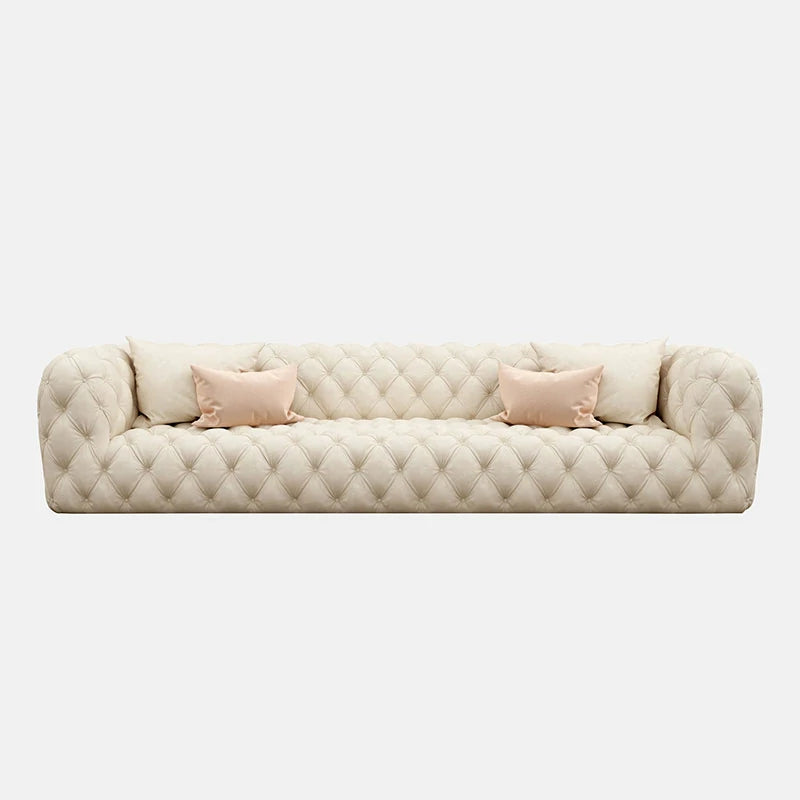 Sofas & Seating Systems
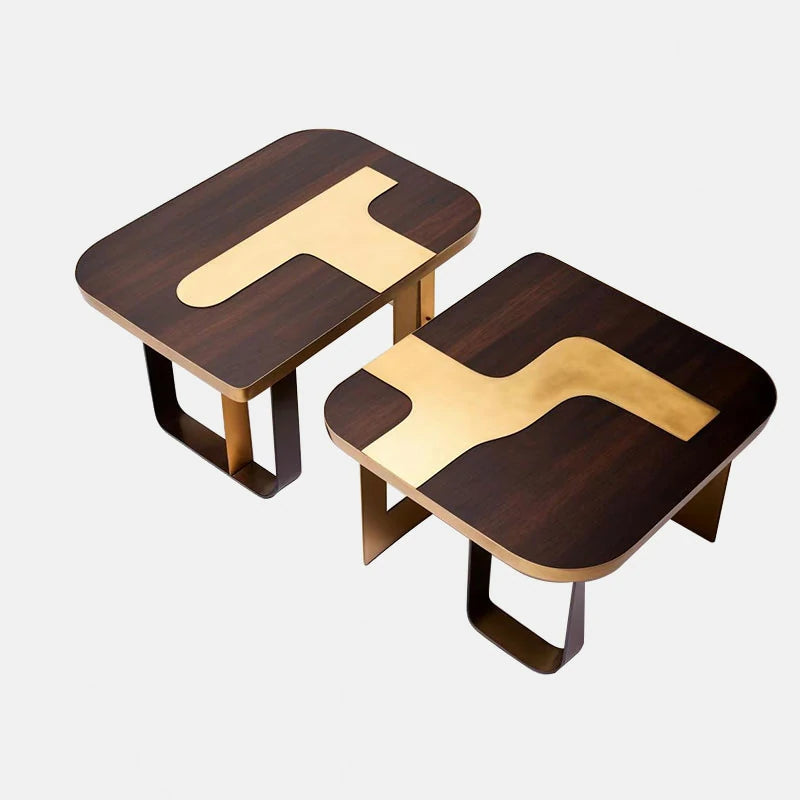 Coffee Tables & Side Tables
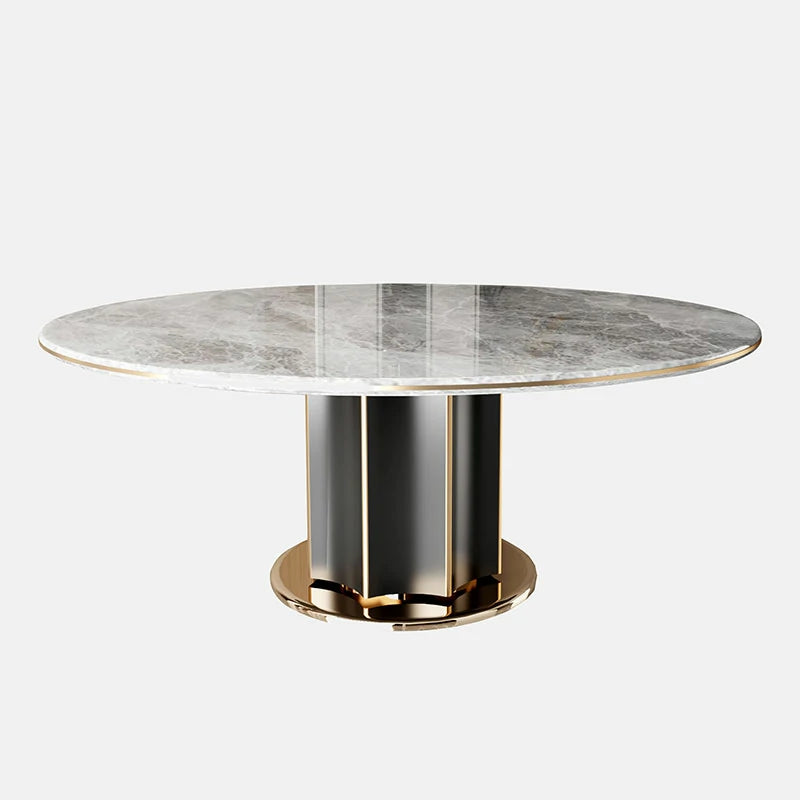 Tables
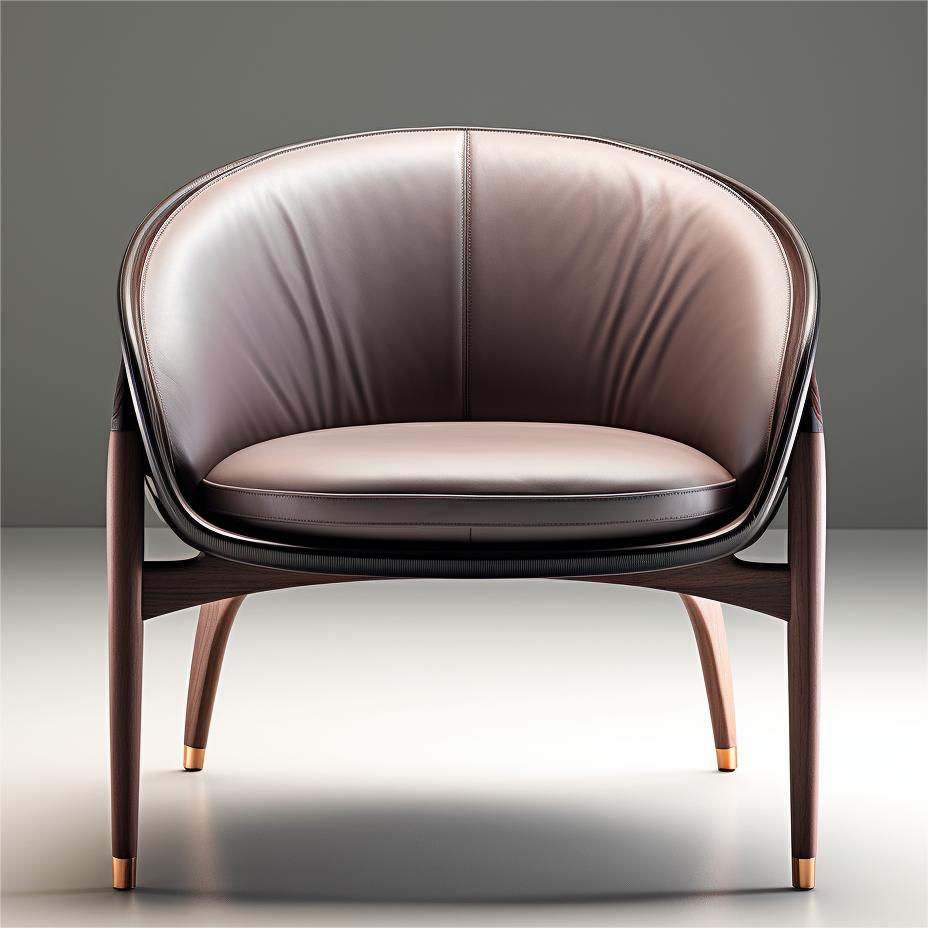 Chairs
 Beds
Beds
 Nightstands & Vanities
 Sideboards & Bookcases
 Console
 Living Room
 Dining Room
 Bedroom
 Office


 About Us
 Sustainability
 Above Still Water: A Bed as the Final Place of Return
 A Place to Pause in Motion: How a Sofa Grounds a Growing Space
 Within the Circle: A Round Dining Table for Everyday Life


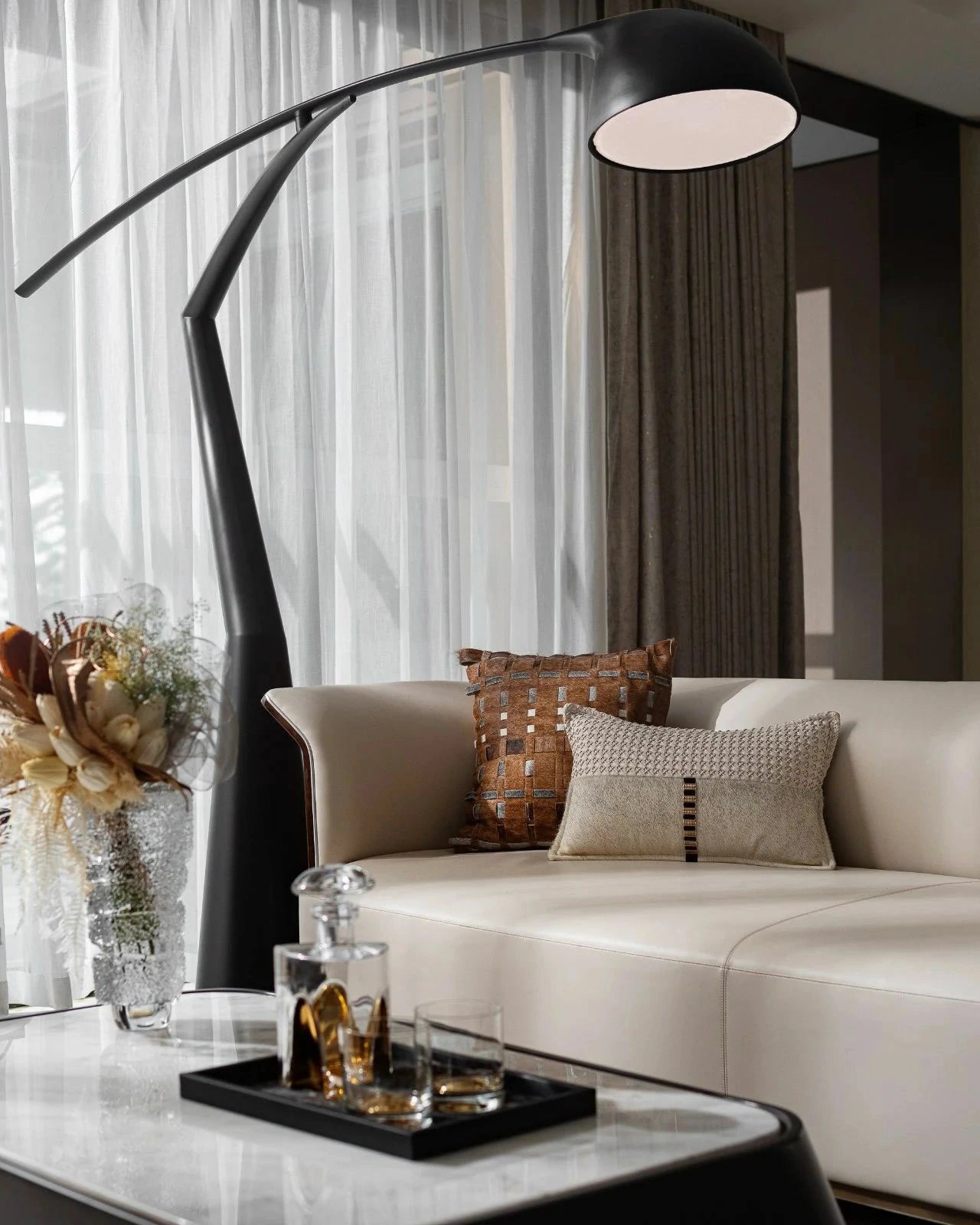
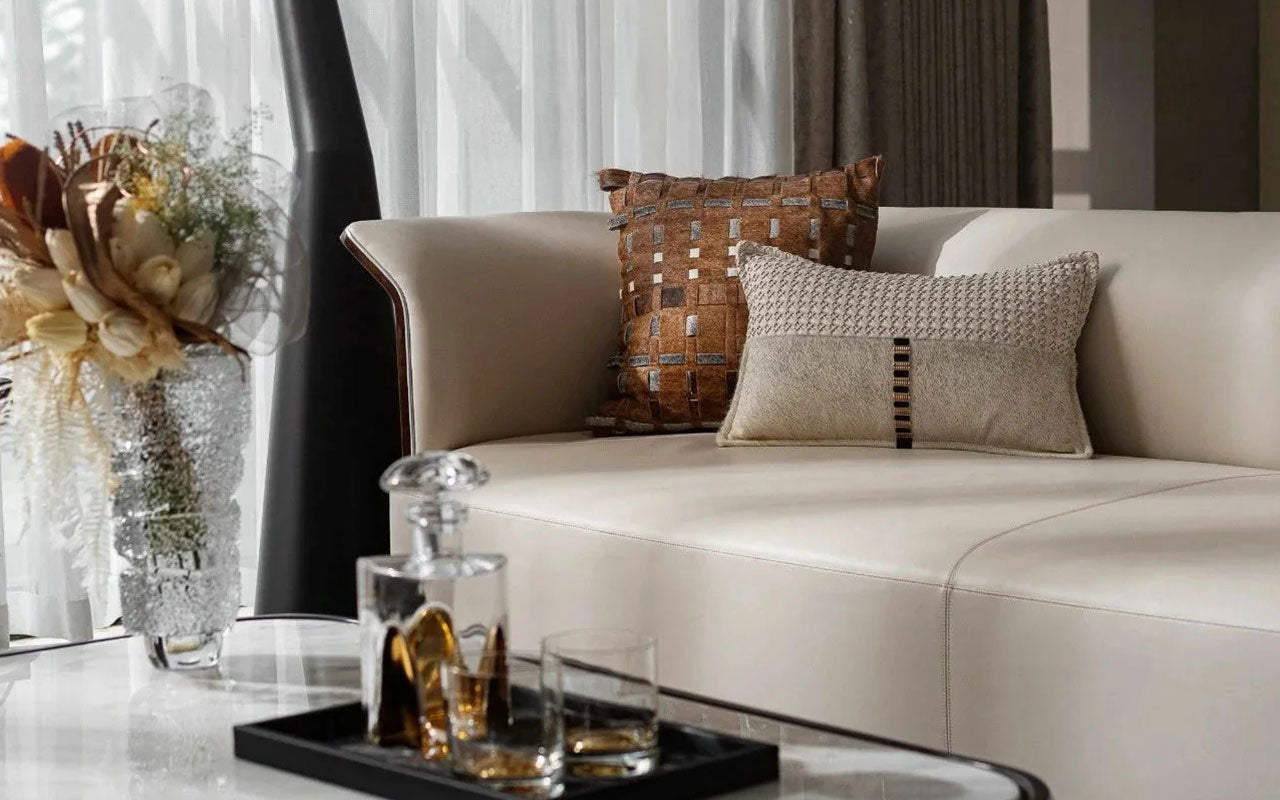



Above Still Water: A Bed as the Final Place of Return
Introduction
When a home carries more than the function of living—when it embodies a complete vision of time, emotion, and inner life—the meaning of furniture moves beyond being simply “beautiful” or “practical.”

In this residence shaped by inward-facing courtyards, water-inspired spaces, and a layered spatial sequence, all public areas extend outward, opening toward light and interaction.
Yet the place where life truly slows and settles ultimately returns to a single bed.
Here, the bed is not an isolated object, but the concluding point of the home’s narrative.

Living Room | Setting the Rhythm for the Bed After Movement
The public spaces are defined by openness and permeability.

Double-height volumes, shifting light, and layered materials stretch the depth of the interior, allowing the living room, dining area, and reception space to flow seamlessly into one another.

Because these shared areas are fully released, the sense of contraction embodied by the bed becomes essential.
The restraint found in the living room—its order, proportions, and material choices—is not about display.

It serves instead as an emotional buffer, preparing the transition toward the bed in the bedroom, guiding the body away from social exchange and sensory stimulation and back to itself.
Dining Area | When Daily Life Is Held, the Bed Can Remain Quiet
The dining area hosts the most frequent and genuine moments of everyday life—meals, conversations, and unplanned pauses, all unfolding naturally.

When daily routines are properly accommodated, the bed no longer needs to function as a place of escape.
Within this spatial logic, the bed is not the endpoint of exhaustion, but a natural return.

Reception Area | Emotional Release and Its Counterbalance
The reception space emphasizes openness and exchange.
Whether for tea, conversation, or brief solitude, the space encourages emotions to move outward.
The bed, by contrast, plays the opposite role.

It does not respond to others; it serves only the inhabitant.
This clear division allows the bed to remain a truly private piece of furniture, rather than an overburdened, multifunctional object.

Bedroom | The Bed as the Final Anchor of Spatial Order
Upon entering the main bedroom, the spatial language turns distinctly inward.
The tall ceiling is softened by gentle curves, while light shifts from brightness to an even, calming presence.

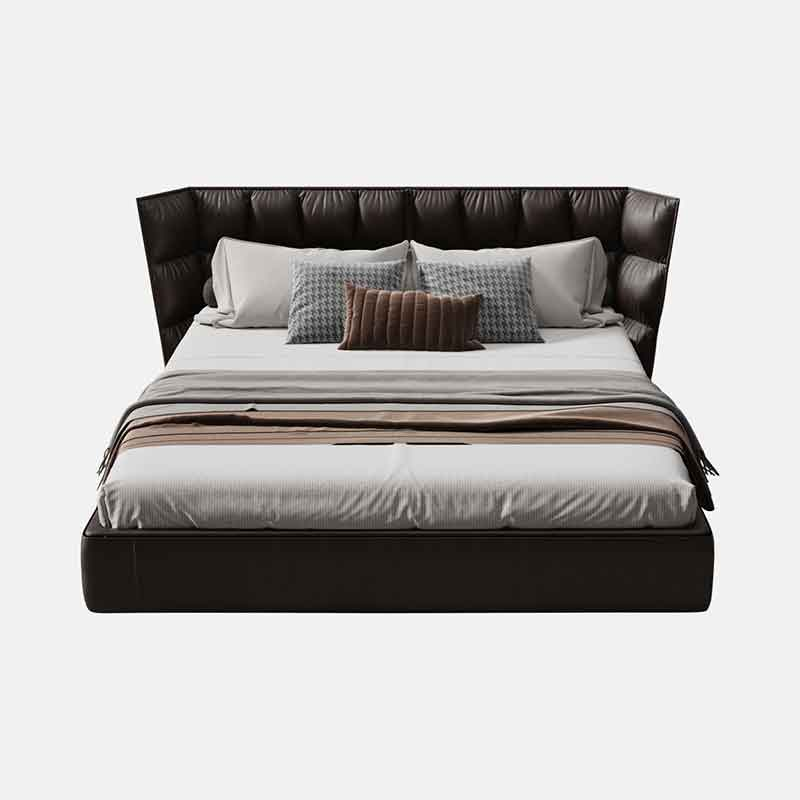
The bed is positioned at the visual center of the room, low in profile and grounded in structure.
The headboard design emphasizes a sense of enclosure, using materials with a warm, tactile quality. Decorative elements are minimized, allowing physical comfort to take precedence.

This bed does not strive for lightness.
Through its thickness, scale, and materiality, it conveys a quiet sense of being supported.
At the moment the body lies down, the space no longer extends outward—it gathers inward.

Conclusion
A well-designed bed does not need to command visual attention.

It is, instead, the result of a lived process—after all public spaces have completed their roles of release, interaction, and movement, leaving behind a place where one can truly stop.

In this residence shaped by water, courtyards, and spatial layering, the bed—through restrained design, stable structure, and gentle tactility—absorbs the emotional descent of the entire home.
When a bed becomes more than a place to sleep, and instead the final point of physical and mental return,
the home completes a full, unbroken breath.
Design Team | Gallery Su Design
If you believe this content infringes your rights, please contact us for removal.