 New Creative
 Best Sellers
 Shop The Look
 New Room
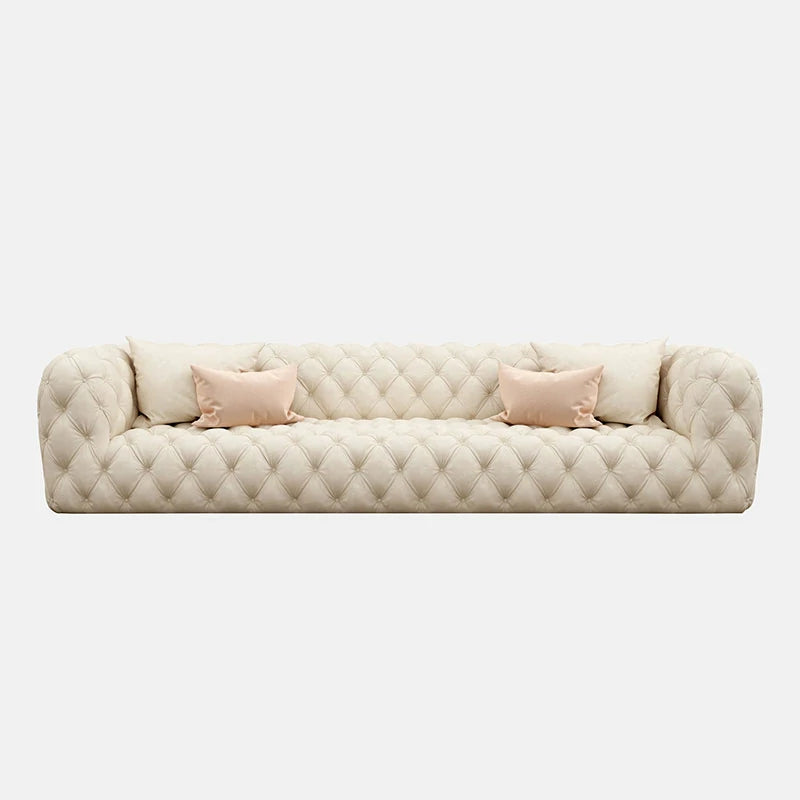 Sofas & Seating Systems
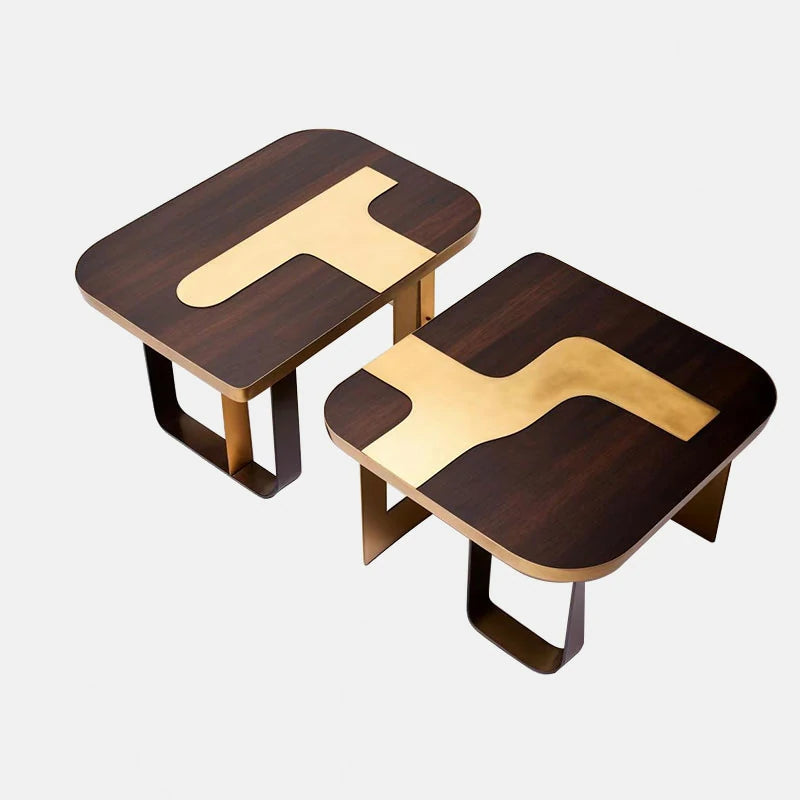 Coffee Tables & Side Tables
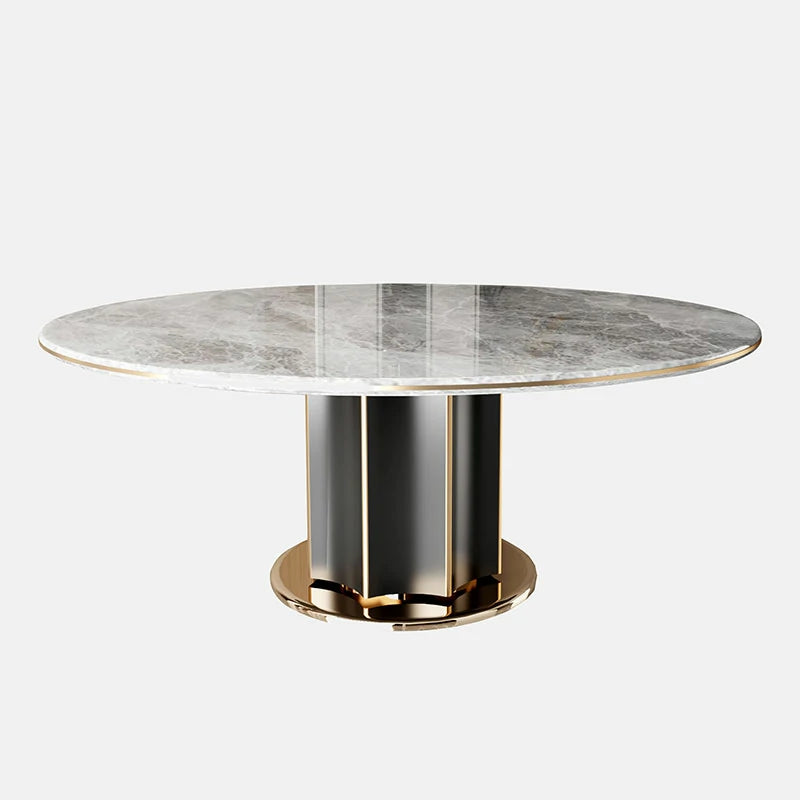 Tables
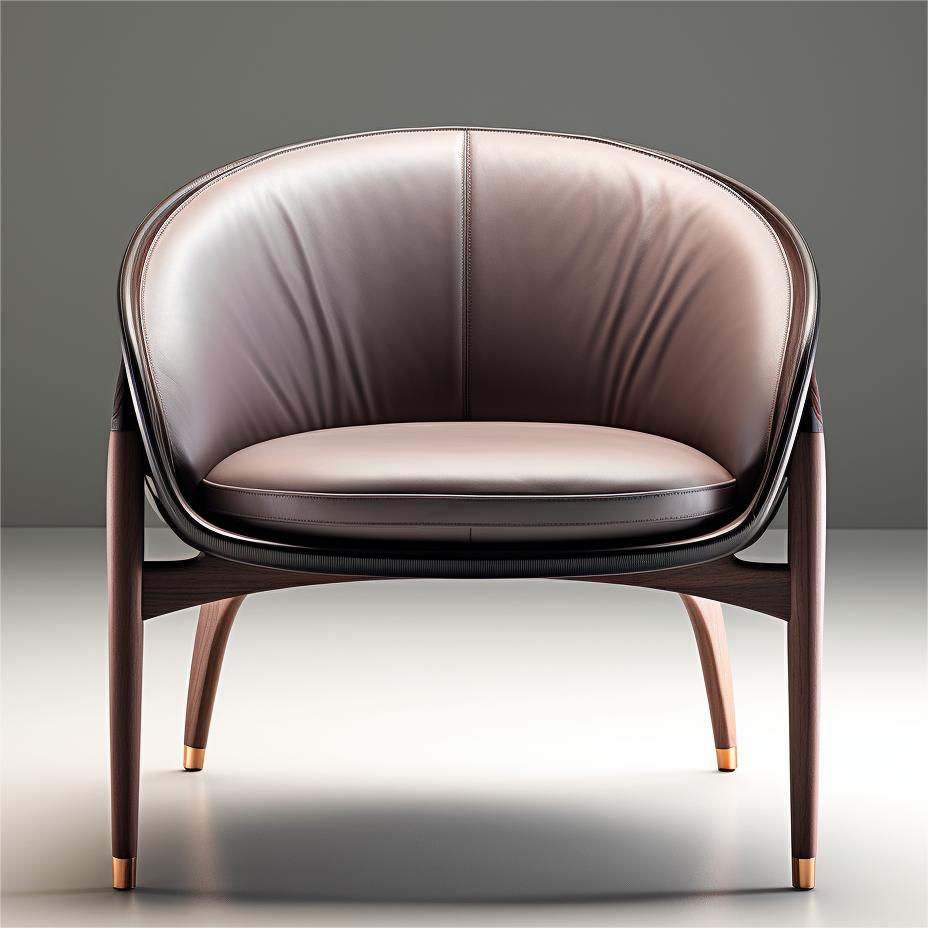 Chairs
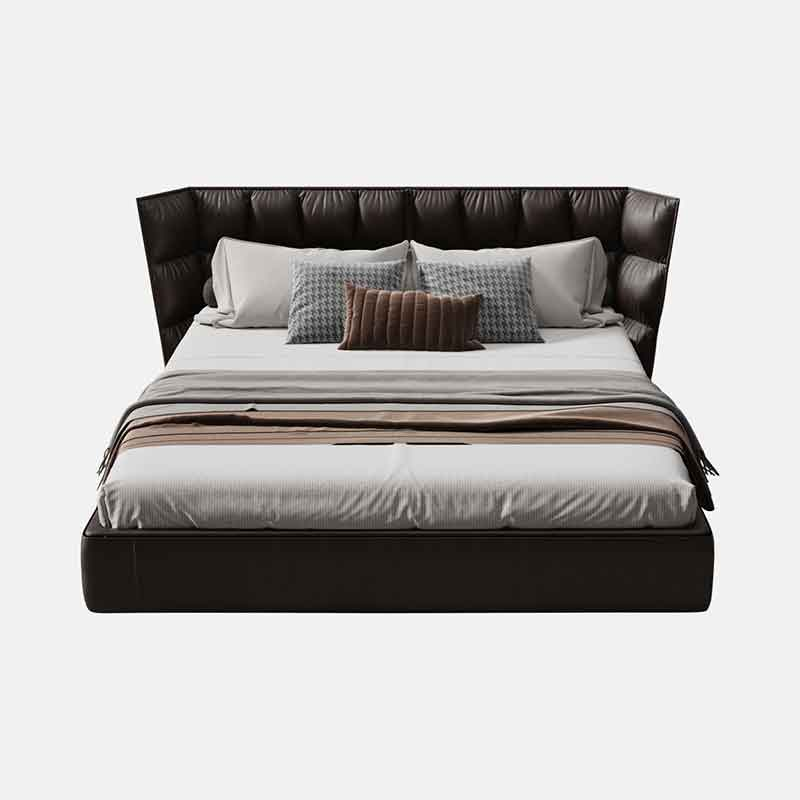 Beds
Beds
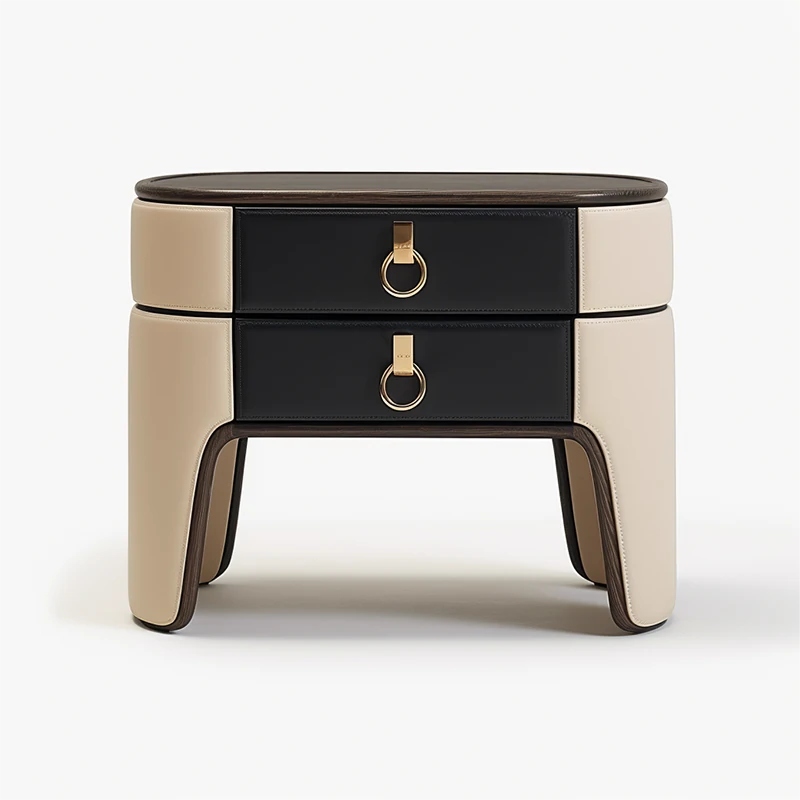 Nightstands & Vanities
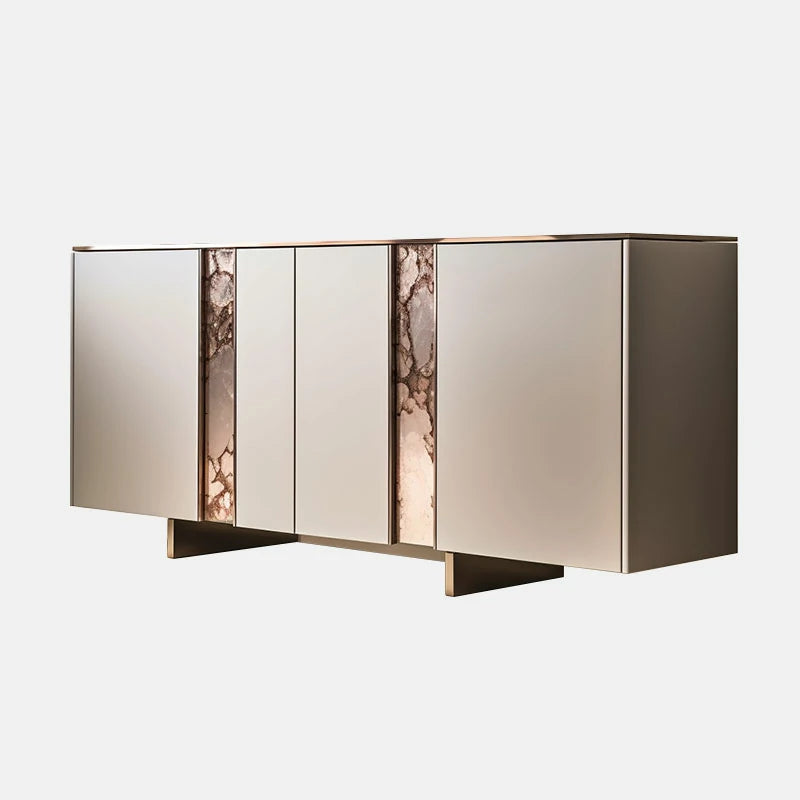 Sideboards & Bookcases
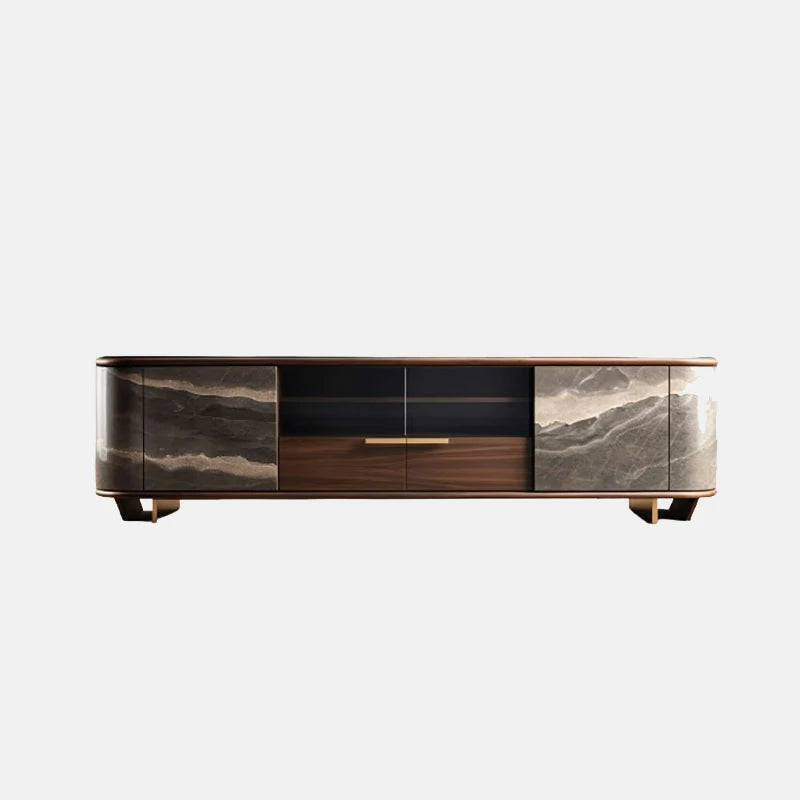 Console
 Living Room
 Dining Room
 Bedroom
 Office


 About Us
 Sustainability
 Above Still Water: A Bed as the Final Place of Return
 A Place to Pause in Motion: How a Sofa Grounds a Growing Space
 Within the Circle: A Round Dining Table for Everyday Life


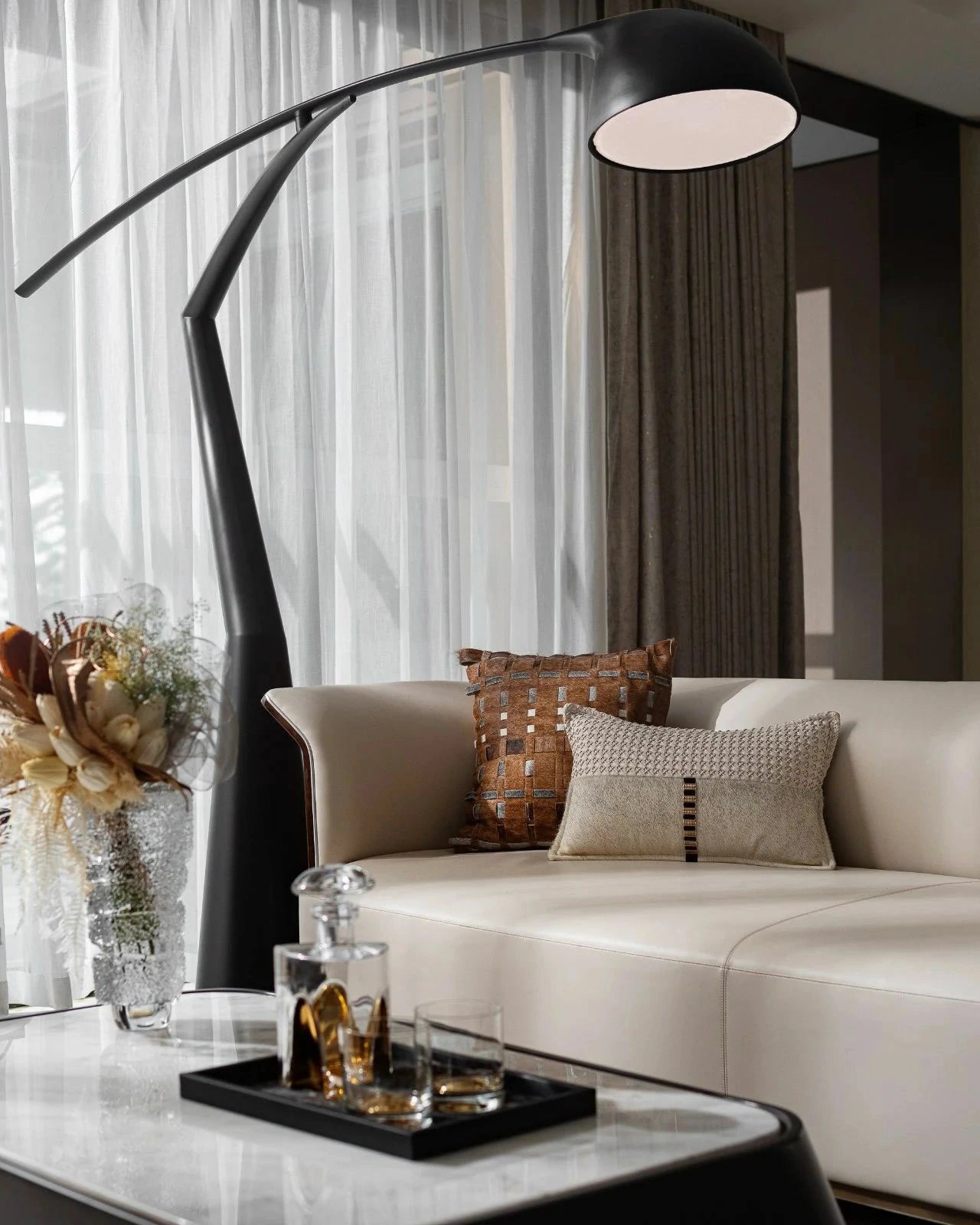
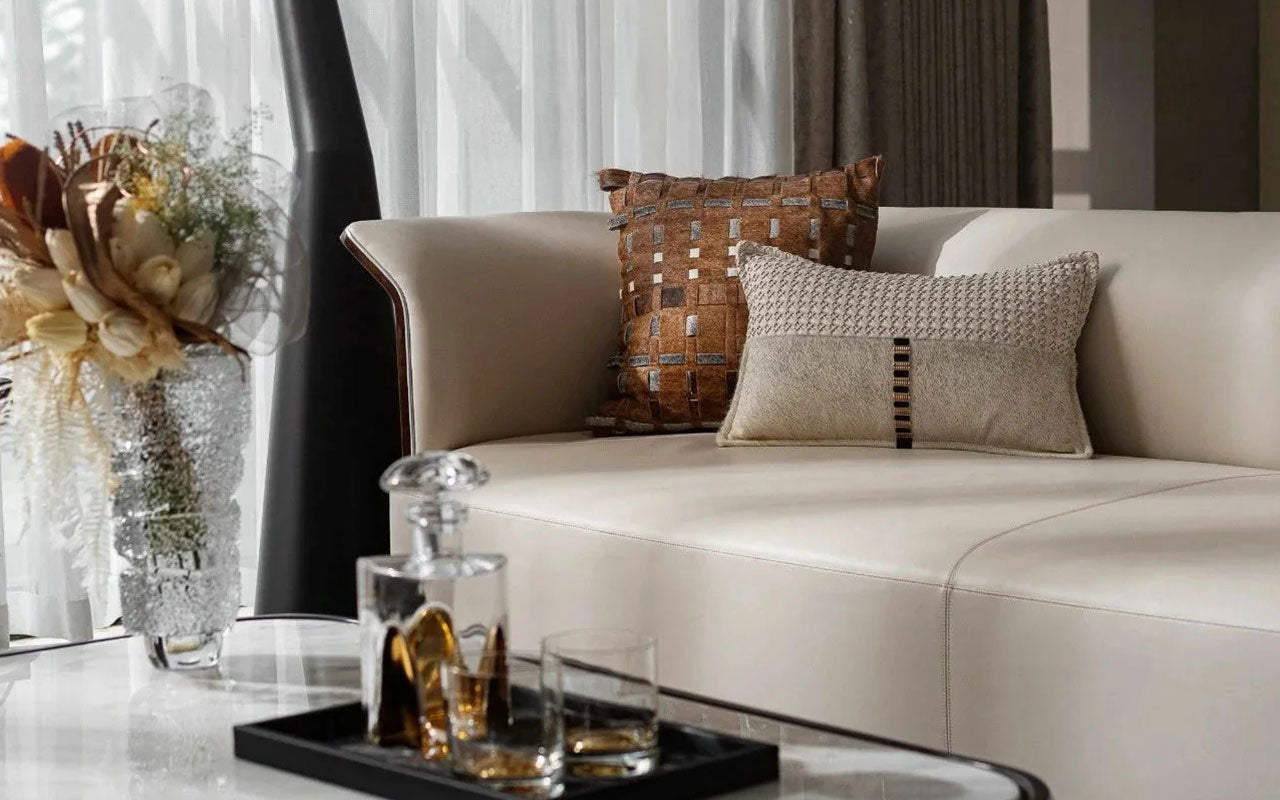



A Sofa Anchoring a Flowing Wooden Interior
Introduction
For those who inhabit a home, space is never a finished product, but an ongoing relationship.

The relationship between people and their home ultimately returns to a connection with oneself: how we live, how we relate to others, how we remain independent, and how we coexist.

This residence does not attempt to create a predefined style. Instead, it grows naturally from structure, circulation, and material choices. Furniture is no longer something simply placed into space, but an active participant in shaping it.

Among all elements, the sofa becomes the most decisive presence in the shared living areas.

Living Room
The sense of space in the living room comes not from expansion, but from the disappearance of boundaries.

The ceiling is treated as a continuous wooden volume, while mirrored surfaces soften the presence of structural beams, allowing the wood to extend visually.

Wood is also used on the floor as a subtle tool for zoning—small changes in level and texture create a gentle sense of movement throughout the space.

Within this setting, the modular sofa sits at the center without asserting itself as a focal point.

Its low profile and relaxed form make it feel more like a landscape to inhabit than a piece of furniture to face. The contrast between soft upholstery and solid wood invites the body to slow down the moment one sits.

This sofa is not designed for watching TV, but for lingering—talking, pausing, doing nothing at all. Its presence turns the living room into a space without a fixed direction.

Dining Area
The dining area is not defined as a separate room, but woven into the overall circulation, maintaining continuity with the kitchen and living spaces.

The L-shaped island serves multiple roles: casual meals, baking, wine tasting, even temporary work. There is no clear boundary between the dining table and the sofa; instead, they converse through scale and height.

As the sofa becomes the core of daily living, the dining area naturally relaxes. Formality gives way to everyday use, and dining extends effortlessly into the shared space as a whole.

Reception Area
The reception area represents another mode of using the sofa.

Here, the sofa is no longer oriented toward a single focal point. It allows for different postures and ways of occupying the space—sitting sideways, reclining, turning freely.

Thanks to its modular structure, the sofa can be reconfigured as needs change, making spatial relationships open and fluid.

The distance between people is softened.
Rather than creating opposing seats, the sofa encourages sitting side by side, overlapping, and sharing space.

Bedroom
The bedroom is treated with restraint, free from excessive formal gestures.
The sofa’s role as a connector in the public areas is translated here into an understanding of proportion and negative space.

Because the sofa has already absorbed much of the emotional and functional energy of daily life in the living room, the bedroom is able to return to quietness.

There is little furniture, but each piece relates directly to the body, creating a more intimate scale.
Conclusion
This is not a home defined by style, but a space that continues to evolve over time.
Wooden structures, platforms, and ceilings form a fluid spatial backdrop, while the sofa—being the piece closest to the human body—becomes the most direct medium between people and space.
It is neither decoration nor symbol, but a vessel for living.
When a space no longer tries to express emotion on its own, furniture takes on a more honest role.
And as life keeps changing, the sofa remains—growing alongside the space itself.
Design Team | E-J Space Design
If you believe this content infringes your rights, please contact us for removal.