 New Creative
 Best Sellers
 Shop The Look
 New Room
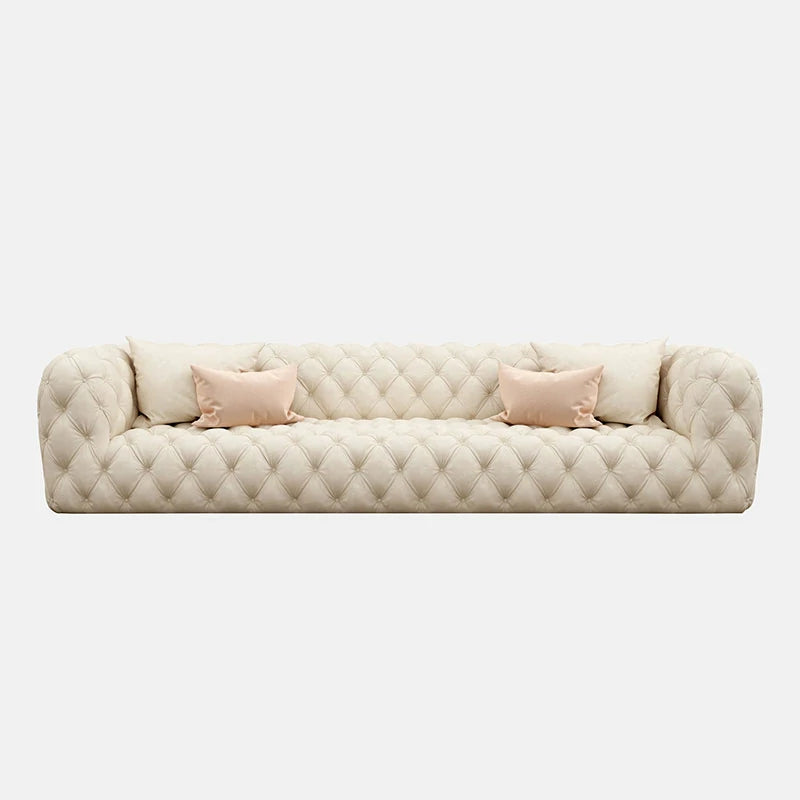 Sofas & Seating Systems
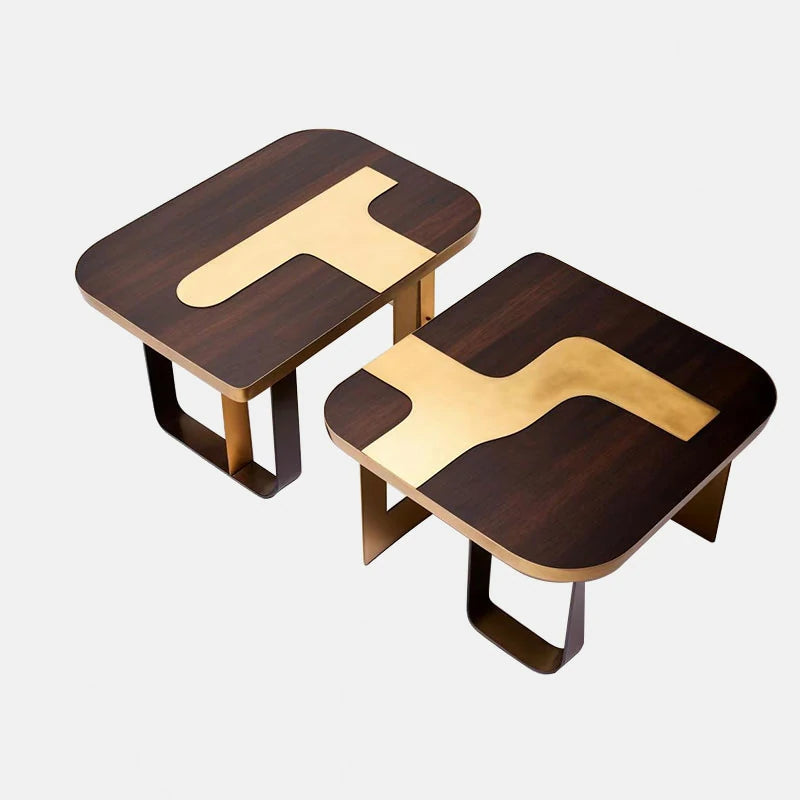 Coffee Tables & Side Tables
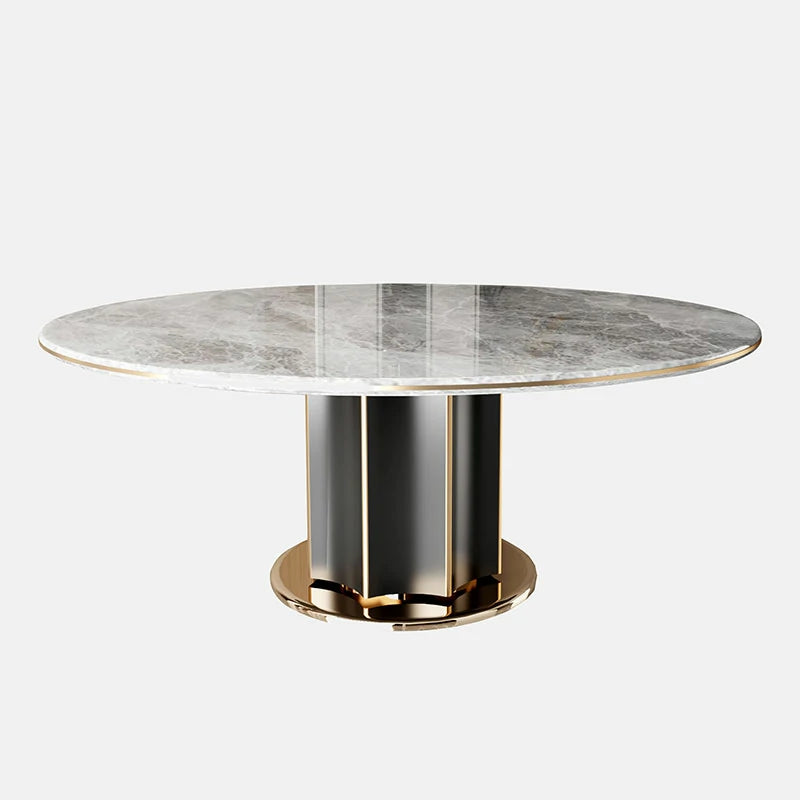 Tables
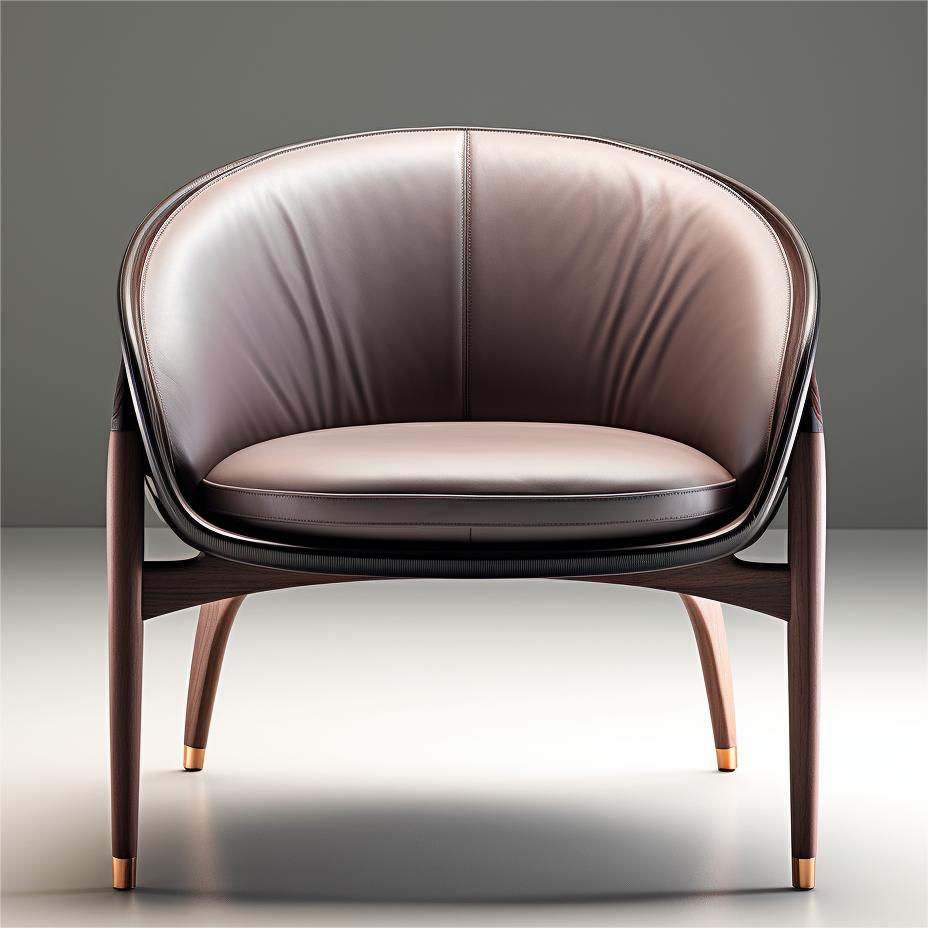 Chairs
 Beds
Beds
 Nightstands & Vanities
 Sideboards & Bookcases
 Console
 Living Room
 Dining Room
 Bedroom
 Office



 About Us
 Sustainability
 Above Still Water: A Bed as the Final Place of Return
 A Place to Pause in Motion: How a Sofa Grounds a Growing Space
 Within the Circle: A Round Dining Table for Everyday Life





Back to Nature: A Long Dining Table for Everyday Living
Introduction
In today’s dense, fast-paced world, the meaning of home is quietly changing.
People are no longer satisfied with spaces that are simply “beautiful” or “high-end.” Instead, they want homes that truly support their emotions and restore their inner balance.
The greatest strength of this villa lies in its closeness to nature. Mountains, water, and light form a slow, steady backdrop to everyday life.
Rather than controlling nature, the design follows the homeowners’ longing for a more raw, natural environment—allowing furniture to become a bridge between daily routines and the outdoors.
Among all the furniture pieces, the long dining table at the heart of the shared space carries the greatest emotional weight.
Living Area | Leaving Space for Nature, Letting the Table Extend the Mind
The living area is not filled with excessive furniture. Instead, it leaves room to breathe.
Large windows bring distant views indoors, making the lake and sky the most constant elements in the space.
Within this setting, the dining table is not pushed into a corner as a purely functional piece. It maintains a subtle connection with the living area.
Even when sitting on the sofa—reading or talking—you remain aware of the table’s presence. It acts like an invisible axis of daily life, quietly organizing the space and giving it a sense of calm order.
Dining Area | One Long Table, Between Everyday Life and a Holiday State of Mind
The long dining table combines the island and dining surface into one continuous form.
Its generous length feels almost indulgent, yet never excessive.
It stands at the center of the space like a naturally shaped stone—solid, grounded, and calm.
The tabletop features a natural stone finish, preserving its original texture and subtle irregularities. As daylight shifts throughout the morning, light moves slowly across the surface, setting a gentle rhythm for daily meals.
Breakfasts, cooking, baking, evening drinks, and conversations all happen around this table.
It turns eating at home from a task into something to look forward to.
Reception Space | The Table as a Place That Brings People Closer
In the lower-level reception area, the role of the dining table becomes even more pronounced.
Here, it is no longer just for meals—it becomes the center of social interaction.
When friends visit, people naturally gather around the table without any sense of hierarchy. Glasses, food, and conversation flow freely, and time seems to slow down.
Compared to traditional sofa seating, the table feels more open. It encourages conversation but also allows quiet moments, making each gathering feel relaxed and genuine.
Bedroom | When the Table Holds the Energy of Life, Private Spaces Can Stay Quiet
Upon entering the bedroom, the design language becomes noticeably softer.
Muted colors and restrained materials allow both body and mind to slow down.
This calmness is not accidental.
It exists because the shared spaces—and especially the dining table—have already absorbed the energy of social life. Once gathering, sharing, and connection are centered there, the bedroom can return to what it should be: rest and solitude.
Conclusion
A good dining table is not just for eating.
In this nature-focused villa, the long table—with its honest materials, generous presence, and open attitude—supports daily routines, social moments, and emotional flow.
It allows life to unfold naturally at home, while creating a more relaxed connection between people and nature, and between people themselves.
When furniture becomes an extension of lifestyle rather than a functional object,
a home is no longer a finished design—it becomes a place that continues to nourish the inner world.
Design Team | Timing Design
If you believe this content infringes your rights, please contact us for removal.